- Home
- Accessories for the home
- Air Purifiers
Best Air Purifier: Ranking 2026 (Is it worth it?)
Everything you need to know to choose the best air purifier

Learn more about our editorial process
.
Learn more about our editorial process
.
Learn more about our editorial process
.
Why you can trust us
Articles on Natu.Care are written based on scientific research, data from government websites and other reliable sources. The texts are written in cooperation with doctors, nutritionists and other health and beauty experts. Articles are reviewed before publication and during significant updates.
.Learn more about our editorial process
.Information about advertisements
Content on Natu.Care may contain links to products from the sale of which we may receive a commission. When creating content, we adhere to high editorial standards and take care to be objective about the products discussed. The presence of affiliate links is not dictated by our partners, and we select the products we review ourselves completely independently.
.Learn more about our terms and Conditions
.Every year, 7 million people die prematurely due to air pollution. That is 7.7% of all deaths worldwide – more than combined HIV/AIDS, malaria, and tuberculosis. In other words – yes, since you are looking for an air purifier, you have made a wise decision.
In this ranking, we summarise the best available air purifiers across several categories and price ranges. We asked for opinions from doctors and specialists. We also gathered insights and tips from individuals who have been using air purifiers for several years.
From this article, you will learn:
- How to choose an air purifier and what to consider before purchasing
- What are the best air purifiers in various price brackets
- What additional functions an air purifier can perform in a home or apartment
- Does an air purifier with a humidifier make sense
See also:
Here are the winners in various categories:
How did we select the winners?
When preparing our ranking, we considered:
- maximum workspace area,
- performance,
- used technologies,
- additional features,
- noise level,
- value for money,
- maintenance costs (power consumption and filter prices),
- opinions and reviews online.
In addition, we contacted users of individual devices who shared their experiences – both positive and negative.
Air Purifier – Top 22 Devices Ranking in 2023
Our list is divided into several categories to facilitate navigation and the selection of a specific model. We analysed over 200 devices – selecting the 22 best.
Air Purifiers for Home and Apartment
Klarta Stor 2
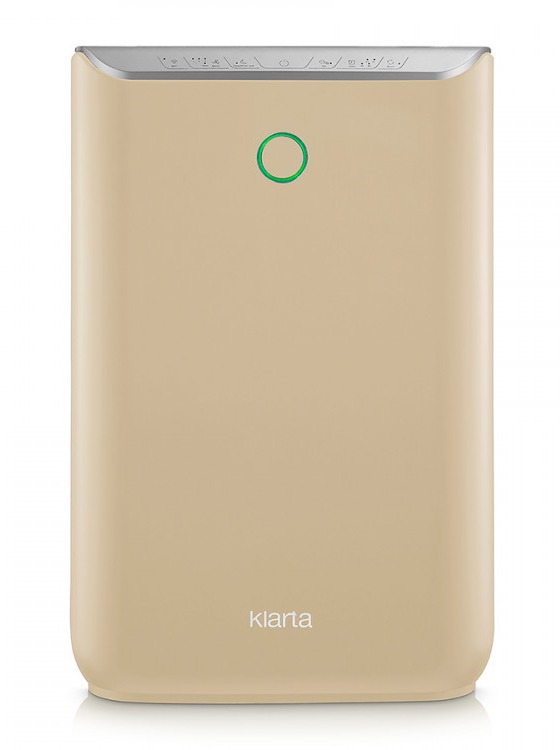
A popular model of the Polish brand. Efficient, intuitive to use, effective and solidly constructed purifier with an ionizer.
Product description
- Maximum room size: up to 38 m²
- Air capacity/flow: CADR 300 m/h
- Air filters: pre-filter, carbon, HEPA H13
- Additional modes and functions:ionizer
- Sensors: PM2.5, light, temperature, humidity, odors (TVOC/VOC)
- Noise level: 20-60 dB
- Power consumption: 5-43W natu.care
One of the most refined devices, created with Polish realities in mind. It has a very restrictive automatic mode and deals with contaminants uncompromisingly. An additional advantage is the plasma ionizer, which supports cleansing. The device can be controlled using a smartphone.
Why it's worth it
- three automatic modes and eight speed levels
- plasma ionization
- quiet operation
- mobile application allows for flexibility and automation of work
- smartphone and remote control
- low operating costs
Note these details
- using many functionalities requires an application
- intended for small rooms
LIFAair LA510
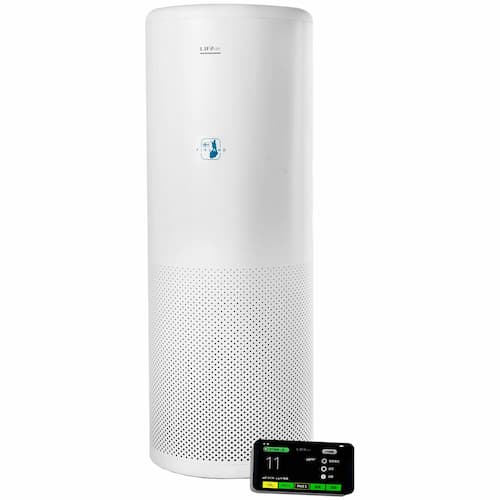
Urządzenie ma wszystkie cechy najlepszego oczyszczacza powietrza – wydajność, cicha praca, nowoczesny design.
Product description
- Maksymalna wielkość pomieszczenia: do 58 m²
- Wydajność/przepływ powietrza: CADR 490 m³/h
- Filtry powietrza: wstępny, węglowy, HEPA E12
- Dodatkowe tryby i funkcje: wskaźnik zużycia filtra, zanieczyszczenia powietrza, tryb automatyczny, nocny i antyalergiczny, blokada rodzicielska
- Czujniki: CO2, PM2,5, światła, temperatury, wilgotności, zapachów (TVOC/LZO)
- Poziom hałasu: 20-52 dB
- Pobór mocy: do 60 W
Why it's worth it
- aż 2 kg węgla aktywnego z dodatkiem zeolitu – lepszego filtra węglowego nie ma na rynku
- do oczyszczacza dołączono stację kontrolno-pomiarową, która w połączeniu z aż 5 czujnikami da Ci pełną wiedzę na temat jakości powietrza
- aż 20 poziomów regulacji obrotów w trybach automatycznych i manualnych
- wytrzymała obudowa ze stali węglowej
- skuteczność filtrów potwierdzona badaniami m.in. przez Ghoung Zhou Institute of Microbiology
- bezpłatna i rozbudowana aplikacja mobilna
- cicha praca
- przystępne koszty eksploatacji rozłożone na więcej niż rok – żywotność filtra HEPA to 2 lata, a węglowego – 5 lat
Note these details
- urządzenie ma filtr HEPA E12 – standardem w najnowszych modelach jest HEPA H13
Blueair HealthProtect 7770i
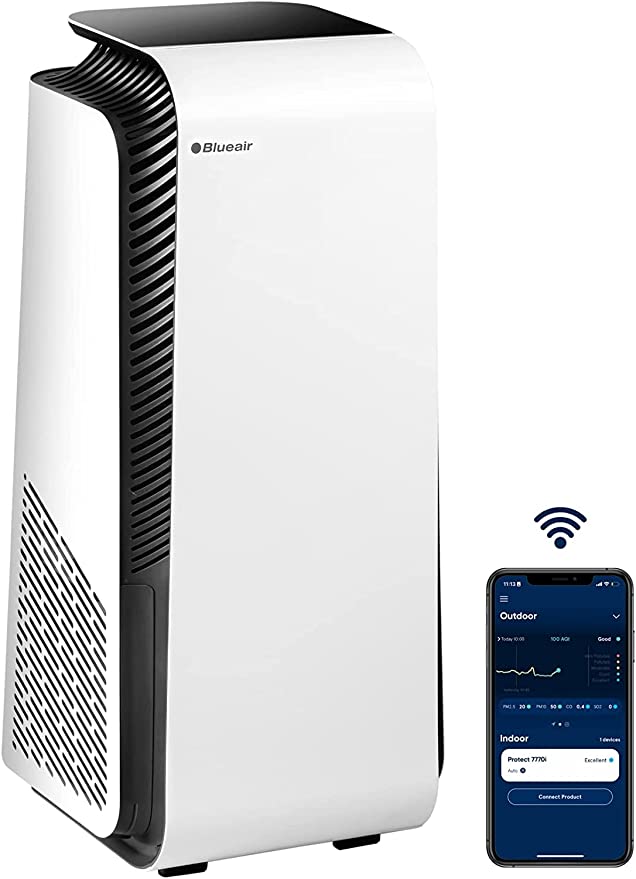
An efficient model for use in spacious interiors and even in the office.
Product description
- Maximum room size: up to 91 m²
- Air capacity/flow: CADR 735 m³/h
- Air filters: pre-filter, carbon, HEPA
- Additional modes and functions: filter wear and air pollution indicator, night mode and automatic parental lock
- Sensors: dust (PM1.0, PM2.5, PM10), temperature, humidity, odors (TVOC/VOC)
- Noise level: 27-55 dB
- Power consumption: 9-72W
Blueair HealthProtect 7770i is a combination of solid workmanship, performance and futuristic (and award-winning) design. The solutions used mean that the device will remove pollutants from a room up to 103 m2 three times within an hour. – it will work optimally on an area of 90 m². In addition, Blueair HealthProtect 7770i is very quiet and does not consume much power. natu.care
Why it's worth it
- above average performance
- HEPASilent Ultra technology, which, thanks to electrostatic and mechanical filtration, also deals with PM1.0 dust, i.e. the smallest dust with a size of up to 1 m, which can easily penetrate the lungs or bloodstream
- ionization barrier
- quiet operation
- smartphone and voice control
- innovative monitoring technologies
- PZH certificate and QuietMark certificate
Note these details
- high purchase price and replacement filters
- some users point out the low effectiveness resulting from the lower sensitivity of the sensors
- large dimensions and weight, but mobility is ensured by the mounted wheels
Ideal AP 40 Pro
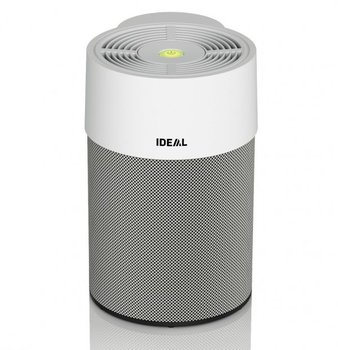
Technological innovation wrapped in German solidity.
Product description
- Maximum room size: up to 55 m²
- Air capacity/flow: CADR 433 m/h
- Air filters: pre-filter, carbon, HEPA H14
- Additional modes and functions: filter wear and air pollution indicator, parental lock, night and automatic mode, timer
- Sensors: dust, odors (TVOC/VOC)
- Noise level: 17-62 dB
- Power consumption: 5-75 W
At first glance, it does not stand out much, but it uses the latest generation HEPA H14 filter, which is as much as 99.995% effective. It has a special chip built into it, thanks to which the purifier will not work if the filter is clogged or incorrectly installed. Effective and convenient to use thanks to the application, Wi-Fi module, timer and parental lock.
Why it's worth it
- HEPA H14 filter
- quiet operation at all five speeds
- control by remote control and application, thanks to which you can also check the air quality in the room
- PZH certificate and ECARF and Institut Schwarzkopf certificates — the latter certifies that it is a suitable device for medical premises
- small size and weight
- low power consumption low load on accounts
Note these details
- high filter replacement costs
- need to calibrate the device
Electrolux Pure A9 PA91-605GY
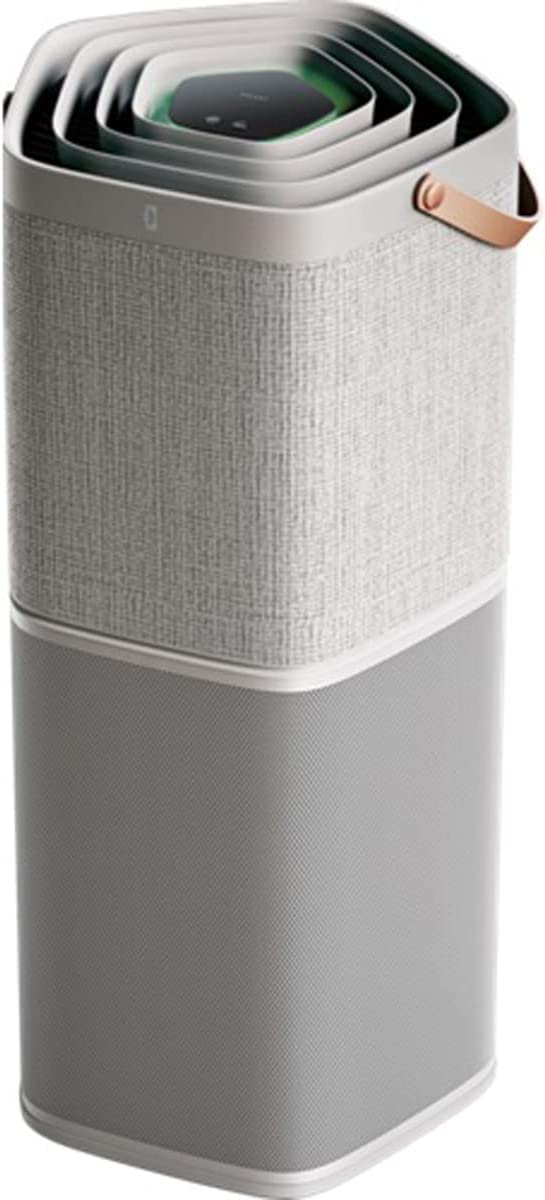
A stylish air purifier for the living room with above-average efficiency.
Product description
- Maximum room size: up to 52–75 m²
- Air capacity/flow: CADR 620 m/h
- Air filters: pre-filter, carbon, HEPA
- Additional modes and functions: filter wear indicator, parental lock
- Sensors: PM2.5, light, temperature, humidity, odors (TVOC/VOC)
- Noise level: 17-49 dB
- Power consumption: up to 50 W
The Pure A9 PA91-605GY model is characterized by high work culture and performance that stands out from the competition. It can be successfully used on areas above 60 m². When choosing this model, it is worth remembering that it has different types of filters. We recommend using Electrolux EFDCLN6 (Electrolux CLEAN360 600 CADR) — it uses a HEPA filter of class H13 or an Electrolux EDFRH6 (Electrolux FRESH360 600 CADR), which we recommend for apartments and houses in towns most exposed to smog.
Why it's worth it
- quiet operation even at high speeds
- high performance even at low speeds
- five-stage filtration
- 10 fan speeds
- PureSense sensor system
- energy saving
- control using the Electrolux WellBeing app
- ECARF certificate and recommendation of the Polish Federation of Asthma, Allergy and COPD Patients' Associations
- unusual design and stylish handles
Note these details
- too mild air purity assessment system
- some people complain about air ionization not working (it's just an addition and does not affect filtration)
- significant operating costs — especially filter prices
Hybrid air purifiers 2 in 1 – with humidifier (and more)
Combining a humidifier with other functions is not entirely the best idea. On the one hand, you get a multifunctional and efficient device and may save some space. However, there are a few disadvantages – higher purchase price, more expensive parts and replaceable filters, and often such models lack a PM2.5 sensor, which means they are less effective at removing smog and the most dangerous airborne dust particles.
Such a solution is suitable for homes and apartments that have issues with air humidity and in rooms with limited space (children’s room or bedroom), where fitting two devices is difficult. An air purifier with a humidifier is also a good option for allergy sufferers.
The most effective and efficient solution would be to purchase an air purifier and a humidifier separately – but if you prefer to have a single device, we have a few suggestions.
Sharp UA-KCP100E-W
2 in 1 purifier with humidifier and ionization - efficient, quiet and energy-saving.
Product description
- Maximum room size: up to 75 m²
- Air capacity/flow: 600 m³/h
- Air filters: pre-filter, carbon, HEPA H13, Plasmacluster ionizer, evaporation mat
- Additional modes and functions: filter consumption and pollution indicator, parental lock, anti-allergic, night and automatic mode, timer
- Sensors: PM2.5, light, temperature, humidity, odors (TVOC/VOC)
- Noise level: 21-53 dB
- Power consumption: 5.5-79 W
A real combination of functionality and technology. The sensor system will take care of operation in automatic mode, and thanks to the application you can plan the entire work schedule. It is perfect for places where silence is required, i.e. in the office, home or school room. Intuitive operation, high mobility and patented Plasmacluster technology are other advantages. From a room with an area of 25 m² will get rid of allergens in 51 minutes and viruses in 18 minutes.
Why it's worth it
- quiet operation
- as many as six sensors and five levels of filtration
- Plasmacluster ionization and efficient humidification (320 ml/h)
- mobile control that helps you set your own operating scenario for the device
- four locking wheels and handles
Note these details
- large expenses on filters
- small water tank
Coway Hue&Healing APMS-0815C
A designer and efficient model that will work well in smaller rooms.
Product description
- Maximum room size: up to 35 m²
- Air capacity/flow: 270 m³/h
- Air filters: pre-filter, carbon, HEPA H13
- Additional modes and functions: filter wear and air pollution indicator, night and automatic mode
- Sensors: PM2.5, light, humidity
- Noise level: 22-43 dB
- Power consumption: 6-29 W
Energy-saving and quiet purifier for the bedroom or child's room. Purifies and humidifies the air — will take care of all the most important parameters thanks to precise sensors. The lack of an odor sensor and a WiFi module for remote control may be worrying.
Why choose it
- quiet operation
- five-stage filtration system — pre-filter, gel filter with silica gel, HEPA H13, evaporation mat (humidification up to 700 ml/h), Plasmacluster ionization
- PM2.5 digital display
- set of sensors
- anti-allergic Pollen mode (increased sensitivity of the dust sensor)
- two ionization modes (Ion Spot - directing the stream of ions to a selected object; Ion Shower - reducing static electricity in the room improves the removal of pollutants)
- auto-cleaning of the pre-filter (not replaceable)
- PZH certificate and Allergy UK certificate
- auto-restart function in the event of a power outage
will take care of all the most important parameters thanks to precise sensors. The lack of an odor sensor and a WiFi module for remote control may be worrying.
Note
- high price of filters
- high power consumption at the highest speed
- no mobile control
- users complain about the lack of a precise response threshold in automatic mode
Sharp UA-KIL80E-W
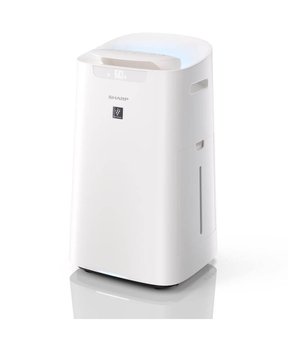
An efficient purifier with a humidifier that is perfect for larger rooms.
Product description
- Maximum room size: 62 m²
- Air capacity/flow: 498 m³/h
- Air filters: pre-filter, carbon, HEPA H13
- Additional modes and functions: PM2.5 concentration indicator, humidification, ionization, filter wear and air pollution indicator, anti-allergic, night and automatic mode, child lock, timer
- Sensors: PM2.5, light, temperature, humidity, odors (TVOC/VOC)
- Noise level: 21-55 dB
- Power consumption: 6.4-103 W
UA-KIL80E-W is one of the most efficient models in the Sharp offer. It provides comprehensive filtration supported by an evaporation mat and an ionizer. Quiet operation and optimal power consumption for this power make it one of the best players on the market. The purchase price and operating costs may be obstacles.
Why it's worth it
- quiet operation
- five-stage filtration system — pre-filter, gel filter with silica gel, HEPA H13, evaporation mat (humidification up to 700 ml/h), Plasmacluster ionization
- PM2.5 digital display
- set of sensors
- anti-allergic Pollen mode (increased sensitivity of the dust sensor)
- two ionization modes (Ion Spot - directing the stream of ions to a selected object; Ion Shower - reducing static electricity in the room improves the removal of pollutants)
- auto-cleaning of the pre-filter (not replaceable)
- PZH certificate and Allergy UK certificate
- auto-restart function in the event of a power outage
Note these details
- high price of filters
- high power consumption at the highest speed
- no mobile control
- users complain about the lack of a precise response threshold in automatic mode
The Best Air Purifiers for Allergy Sufferers and Asthmatics
From the perspective of individuals suffering from asthma or allergies, two factors are most important when choosing the appropriate air purifier:
- Equipped with a HEPA filter – generations H13 or H14 are most effective at capturing allergens. They remove approximately 99.95% and 99.995% of particles measuring 0.3 microns.
- High efficiency – the higher the CADR (Clean Air Delivery Rate) coefficient, the more air the device filters per hour. A minimum of three times the room's volume is recommended.
Sharp UA-HG50E-L
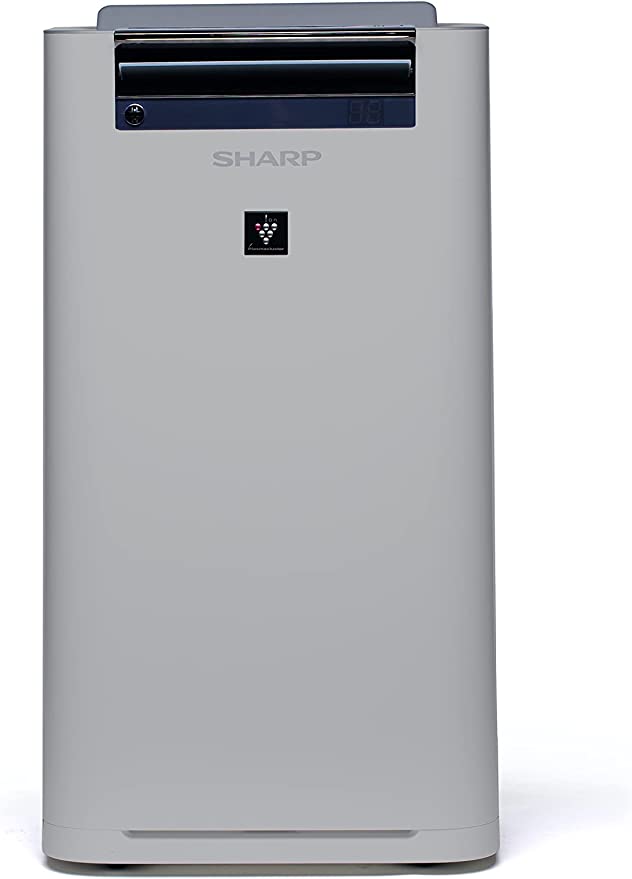
An efficient air purifier with humidification and ionization functions - especially recommended for allergy sufferers and people struggling with respiratory diseases.
Product description
- Maximum room size: up to 38 m²
- Air capacity/flow: up to 306 m³/h
- Air filters: pre-filter, carbon with silica gel, HEPA H13
- Additional modes and functions: air humidification, night mode, ionization, auto mode, anti-allergic mode, parental lock, three manual modes
- Sensors: PM 2.5, light, temperature, humidity, odors, motion detector
- Noise level: 19 dB
- Power consumption: from 5W (without humidifier), from 7W (with humidifier)
The improved filtration system of this model is perfect for removing viruses, bacteria and allergens. For allergy sufferers, high efficiency and ionization support, which is based on the proprietary Plasmacluster technology, will be particularly important. Thanks to the High Density generator (7000 ions/cm), the device only needs 18 minutes to get rid of viruses and 51 minutes to deactivate allergens. Additional sensors make the device act as an intelligent purifier and automatically adapt its operation to the existing conditions.
Why it's worth it
- long filter life up to 10 years
- efficient, energy-saving and quiet operation
- PZH certificate and Allergy UK certificate
- patented Plasmacluster technology — air ionization supporting the operation of the filtration system
- 7 different measurements and 5 filtration levels
- low operating costs and easy to use
- can be used as an evaporative air cooler
Note this details
- can deal with odors in different ways
- no smartphone control (although there is an intelligent assistant option)
PHILIPS AC2959/53
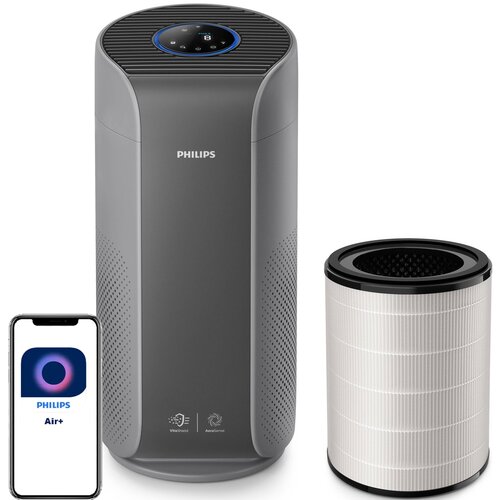
An elegant and quiet purifier with very good parameters. Invisible during the day, does not bother you at night. Comfortable and pleasant to use.
Product description
- Maximum room size: up to 45 m²
- Air capacity/flow: CADR 380 m/h
- Air filters: Nano Protect 3in1 (preliminary, carbon, HEPA H13)
- Additional modes and functions: anti-allergic mode, night mode, filter wear indicator, allergen presence indicator, PM2.5 concentration indicator and other pollutants, parental lock, Clean Home application and control smartphone
- Sensors: light, PM2.5
- Noise level: 16-52 dB
- Power consumption: up to 46 W
The manufacturer declares that a room with an area of 20 m² this model will clean in 8-9 minutes. The heart of the model is the proprietary NanoProtect filter. Its effectiveness is 99.97%. The filtration itself is additionally supported by the AeraSense mode, which responds to an increase in the concentration of particles in the room. The adsorption (molecular binding) area of the carbon filter corresponds to the area of nearly 25 football pitches, and the HEPA filter when unfolded is approximately 2.5 m². The use is definitely facilitated by the mobile application, which provides full operation and checking of individual indicators. Info for tech geeks: if you use Amazon Alexa, you will be able to control this purifier with your voice.
Why it's worth it
- high CADR
- quiet and energy-saving operation
- low operating costs
- ECARF, AHAM and Quiet Mark certificates
- 4 operating modes, including 3 manual
- 3D air circulation
- service from anywhere on Earth thanks to the application
- filter cleaning and replacement alarms
- minimalist design
Note this details
- high annual costs related to filters (approximately PLN 300)
- no VOC (Volatile Organic Compounds) sensor
Dyson Purifier Humidify+Cool Autoreact PH3A
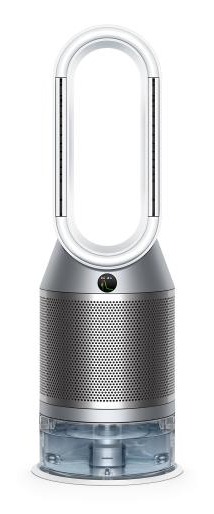
A designer purifier with additional functions of air humidification and ventilation.
Product description
- Maximum room size: up to 30 m²
- Air capacity/flow: 1152 m³/h (based on POLAR tests)
- Air filters: pre-filter, carbon, HEPA H13, evaporative disk (combines dry air with water particles), catalytic filter (non-replaceable)
- Additional modes and functions: timer, humidification, air ventilation, night mode, auto mode, diffuse mode, breeze mode, deep cleansing
- Sensors: temperature, humidity, odors (TVOC), PM2.5
- Noise level: up to 61.5 dB
- Power consumption: up to 45 W
Dyson Purifier Humidify+Cool Autoreact PH3A was created not only for dry and hot days. This is a proposition for people who, in addition to clean air, expect a bit of sea breeze in even the smallest nooks and crannies at any time of the year. The device has been designed to make the use and maintenance of individual components as easy as possible. both filters, water tank and evaporation module. Even limescale accumulating in the humidification system will not be a problem.
Why it's worth it
- multifunctional device — cleanses, moisturizes and ventilates the air
- multi-stage air supply and humidification
- unique design
- intuitive and hassle-free maintenance
- constant monitoring of the air condition thanks to additional sensors
- clear reporting on the LCD screen
- large water tank provides approximately 36 hours of humidification
- Ultraviolet Cleanse technology — UV radiation removes 99.99% of bacteria in the water tank
- remote control
Note this details
- weight and lack of wheels may impede mobility
- quite noisy
- high operating costs (bills + filters)
- in reviews it is sometimes seen as a fan with a purifier and humidifier function rather than a full-fledged purifier
Air Purifiers for the Office
Air pollution affects not only our well-being and respiratory health but also brain function. A study conducted at Harvard revealed that an increase in PM2.5 levels caused a dramatic decline in cognitive functions – even among young adults. The conclusion is simple – poor air quality in the office or school results in lower productivity and more days of absence.
Research by the United States Environmental Protection Agency shows that employers who ensured clean air in the workplace observed up to 11% higher efficiency among their employees.
When choosing a good air purifier for the office, pay attention to the CADR factor, maximum coverage area, additional features, as well as noise level and energy efficiency.
Panasonic F-VXR90G-K
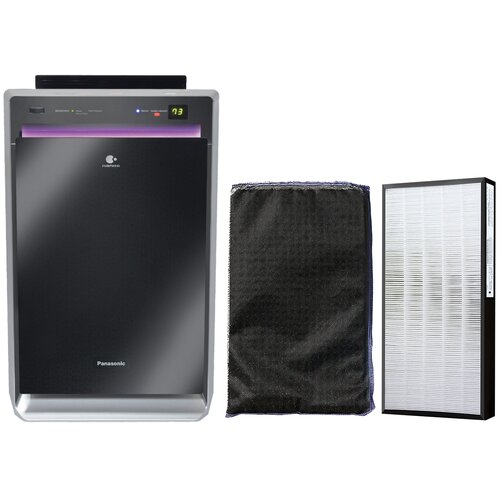
A solid 3-in-1 purifier with ionization and humidification functions. It will work even in large office spaces.
Product description
- Maximum room size: up to 66 m²
- Air capacity/flow: CADR 455 m³/h
- Air filters: pre-filter, carbon, HEPA H13
- Additional modes and functions: night and automatic mode, humidification, ionization, filter wear indicator and air pollution
- Sensors: dust, light, motion, temperature, humidity, odors (TVOC/VOC)
- Noise level: 18-55 dB
- Power consumption: from 6.8 W (in Econavi mode) to 88 W
One of the most powerful Panasonic purifiers with a very good quality-price ratio. Effective air humidification and ionization, as well as quiet and efficient operation make it one of the most interesting office purifiers. The manufacturer declares that the filter life is 10 years. in places with high pollution, their usefulness will certainly be shorter.
Why it's worth it
- quiet operation
- value for money for a reputable brand and a 3-in-1 device
- effective evaporative humidifier (tank with a capacity of 4.2 l and efficiency of 830 ml/h)
- economical operation — in EcoNavi mode, the device monitors people's activity and adapts its work accordingly
- ionization using Nanoe technology (the manufacturer declares 99.99% effectiveness)
- PZH certificate and recommendation of the Polish Society of Allergology
- programmer and timer
- high mobility — it can be easily moved around the office
Note this details
- no remote control
- high power consumption in the most powerful operating modes
- the dust sensor does not always work perfectly
Welltec APH1000D
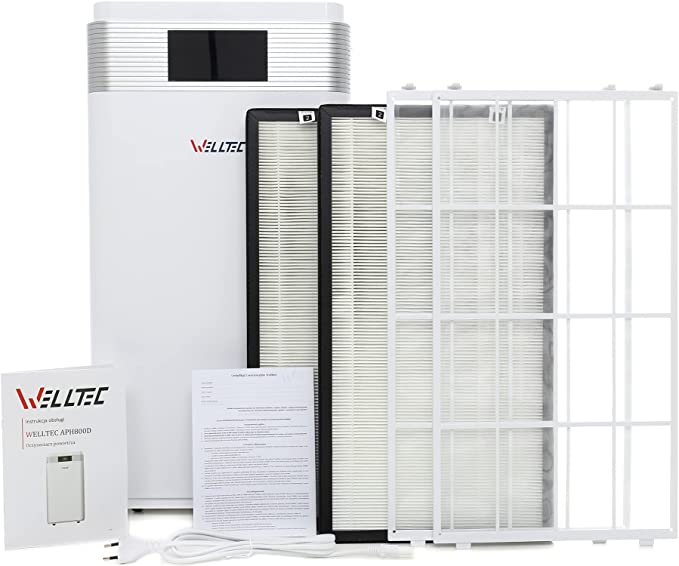
A model designed to work in large, open spaces. Intuitive to use and very efficient.
Product description
- Maximum room size: up to 124 m²
- Air capacity/flow: CADR 992 m/h
- Air filters: pre-filter, carbon, HEPA H13, zeolite, cold catalytic,
- Additional modes and functions: ionizer, UV diodes, automatic and sleep mode, filter wear indicator, child lock
- Sensors: PM2.5, tilt and lid opening sensor
- Noise level: 30-55 dB
- Power consumption: 7-78 W
One of the most efficient devices available on the Polish market. It can work on an area of almost 125 m². Designed to operate at 7 speeds that can be set in the application. In automatic mode, Welltec APH100D works according to readings from the PM2.5 laser sensor, which has a real impact on the air quality in the room.
Why it's worth it
- high performance
- smartphone control
- automatic mode with PM2.5 sensor
- quite low operating costs
Note this details
- large size and weight
Samsung AX90R7080WD
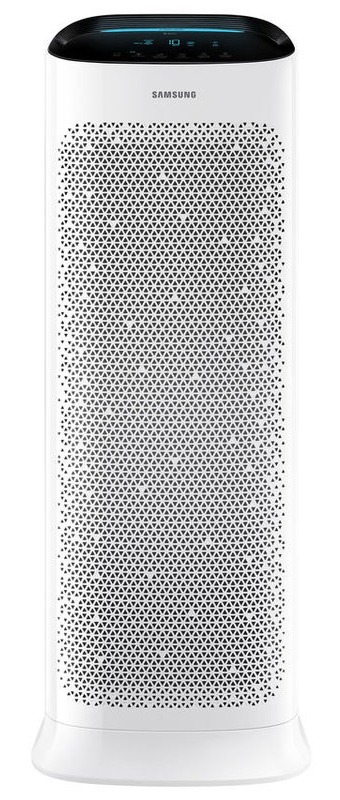
An efficient model at a reasonable price - ideal for large, open areas.
Product description
- Maximum room size: up to 85-90 m²
- Air capacity/flow: CADR 701 m³/h
- Air filters: pre-, carbon and HEPA H13
- Additional modes and functions: night and automatic mode, air pollution and filter wear indicator, timer,
- Sensors: PM2.5, PM1.0, PM10, odors/gases (TVOC/VOC)
- Noise level: 21-54 dB
- Power consumption: up to 90 W
If you are looking for an efficient device for special office tasks, pay attention to the Samsung AX90R7080WD. It is characterized by enormous efficiency and will work well in really large rooms. A major drawback is the quitesluggish operation in automatic mode — This makes the device quite lenient towards high dust concentrations.
Why it's worth it
- performance — one of the best on the market
- filtration system based on a total of six filters – two preliminary and integrated two carbon and two HEPA H13
- The extensive SmartThings application makes it easier to read data, control and automate work, e.g. according to the schedule of employees coming to work
- voice control in 8 languages, including English, Italian, Spanish, Chinese and Korean; Polish is (still) missing
- PZH certificate, recommendation of the Polish Society of Allergology
Note this details
- some people question the precision of indicators
- the side exhaust system may limit the choice of place to place it in the office
- big and heavy
- poor mobility
Affordable Air Purifier (up to £1000)
Not everyone can afford a one-time expenditure of around £2,000–£3,000. Therefore, we have selected several models that can be considered budget options. Their cost does not exceed £1000 (as of the date of this update; product prices may change).
Xiaomi Smart Air Purifier 4
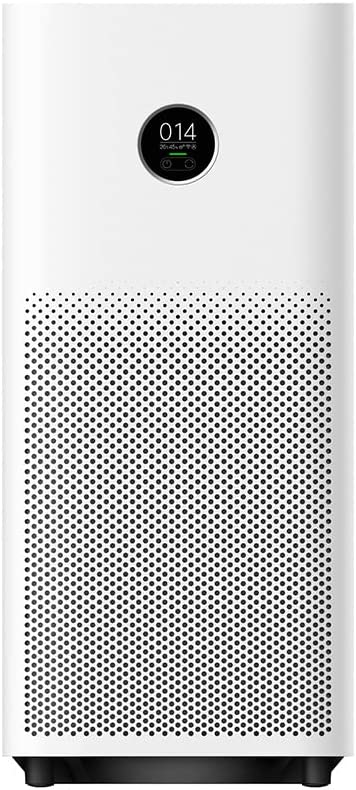
A purifier for people who expect good quality at a reasonable price. Solidity without technological fireworks.
Product description
- Maximum room size: up to 48 m2
- Air capacity/flow: CADR 400 m3/h
- Air filters: pre-filter, carbon, HEPA H13
- Additional modes and functions: night mode, automatic, filter wear indicator, air pollution indicator and PM2.5 concentration, mobile application, ionization, parental lock
- Sensors: PM2.5, temperature, humidity
- Noise level: 31 dB
- Power consumption: up to 30 W
The manufacturer declares that on an area of approximately 20 m2, the air will be completely cleansed within 10 minutes and odors removed within 15-20 minutes. The sensors display data on an OLED touch screen. The center of the statistics is the numerical PM2.5 indicator and a four-level color scale informing about air quality. The device allows you to work in three manual modes, night mode and automatic mode, which requires virtually no involvement. independently maintains the volume and power consumption parameters.
Why it's worth it
- mobile application enabling, among others, controlling the purifier, activating the parental lock, programming the operating time or checking the filter consumption
- possibility of ionization
- convenient to use
- solid workmanship
- low energy consumption and operating costs
Note this details
- some users complain about quite noisy operation
WINIX ZERO
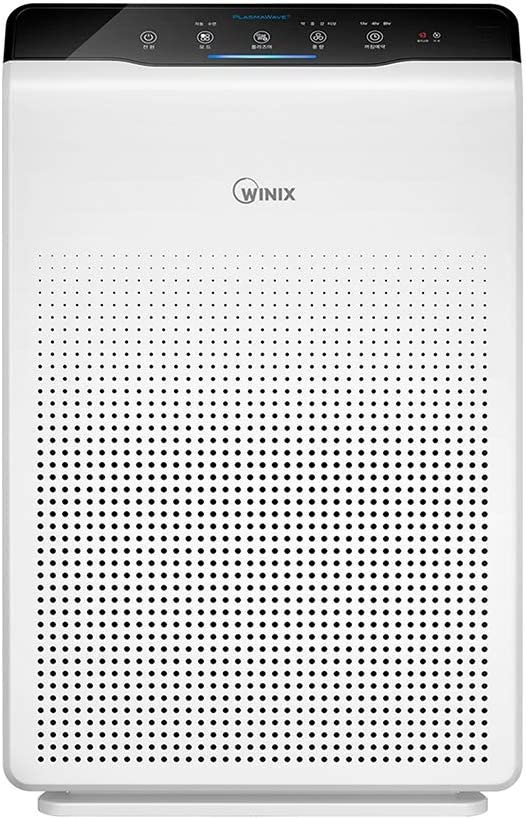
Air purifier with safe PlasmaWave ionisation - thanks to this technology, it deals better with bacteria and viruses.
Product description
- Maximum room size: up to 55 m²
- Capacity/airflow: 390 m3/h
- Air filters: pre-filter, charcoal, HEPA H13, PlasmaWave ioniser
- Additional modes and functions: night mode, automatic mode, contamination and filter wear indicators, ionisation, timer
- Sensors: dust, light
- Noise level: 27-60 dB
- Power consumption: 3-70W
A popular model at good value for money. Often recommended on forums and community groups. It handles pollution well and, thanks to the light sensor, adapts its operation to the conditions found - this is particularly useful in the evenings and when sleeping. The unit slows down and reduces its speed when the air quality improves.
Why you should
- efficient operation
- good value for money - especially as it is a 2-in-1 purifier
- low running costs
- 5 fan speeds, including turbo and sleep
- ionisation
- Robust design
- ECARF, AHAM and CE certified
Take note
- no gas sensor
- no possibility of remote control
- high energy consumption
- lack of wheels reduces mobility
- quite noisy in highest mode
Toshiba CAF-X50XPL
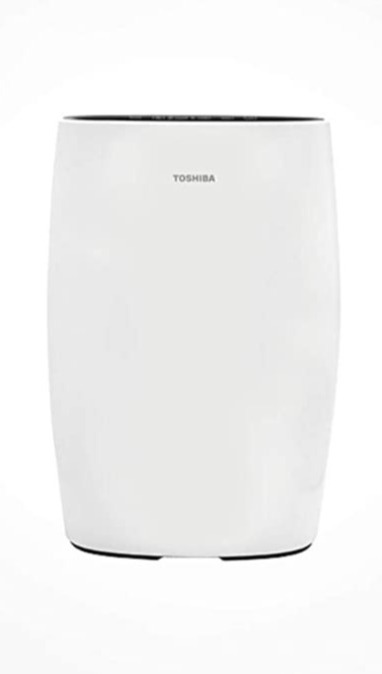
One of the cheapest 2-in-1 hybrid models on the market. It combines the functions of a purifier and ionizer.
Product description
- Maximum room size: up to 36 m²
- Air capacity/flow: CADR 300 m3/h
- Air filters: pre-filter, carbon, HEPA H13, ionizer
- Additional modes and functions: night mode, automatic mode, filter pollution and wear indicators, parental lock, ionization, timer
- Sensors: dust, light, odors (TVOC/VOC)
- Noise level: 28-52 dB
- Power consumption: up to 32 W
Why it's worth it
- efficient, quiet and energy-saving operation
- low maintenance costs
- double carbon filter
- an additional protective layer that extends the life of the filtration system
- modern, minimalist design — will fit into almost any interior
Note this details
- automatic mode
- no application or remote control
- no PM2.5 and PM10 indicator
Samsung AX40R3030WM/EU
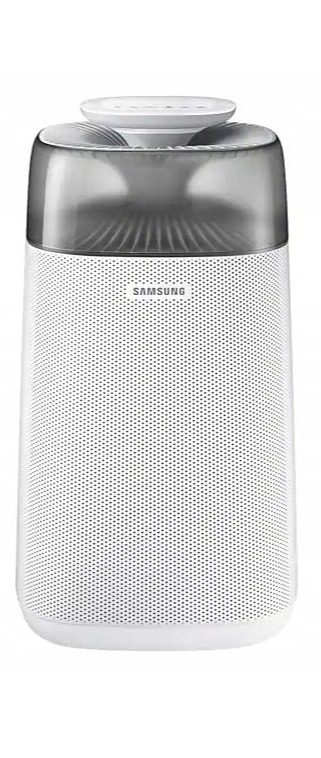
A small purifier with a recommended filtration system. It is distinguished by quiet operation and a gas sensor.
Product description
- Maximum room size: up to 48 m²
- Air capacity/flow: CADR 311 m³/h
- Air filters: pre-filter, carbon, HEPA H13
- Additional modes and functions: night mode, automatic mode, pollution and filter wear indicator
- Sensors: dust, odors (TVOC/VOC)
- Noise level: 20-48 dB
- Power consumption: approx. 40 W
The smallest Samsung model created with very basic needs in mind. Interesting, but not the best option in this price range.
Why it's worth it
- quiet and energy-saving operation
- low maintenance costs
- decent performance and price-quality ratio
Note this details
- dust readings based only on the PM10 sensor (PM2.5 and PM1 are more accurate)
- in auto mode, it only captures high dust concentrations and slowly cleans the room
- users complain about the operation of the gas and odor sensor
- no mobile application and smartphone control
Small Air Purifier (Car, Desk, and More)
Small air purifiers that you can place on your desk or take with you in the car should be considered more as a temporary solution. Experts consistently emphasise their lower effectiveness and efficiency, the difficulty in obtaining spare parts, and the relatively noisy operation of some models. They are suitable for remote work or in small office rooms where no more than 2–3 people are present.
Sharp UJ-GC20E-B
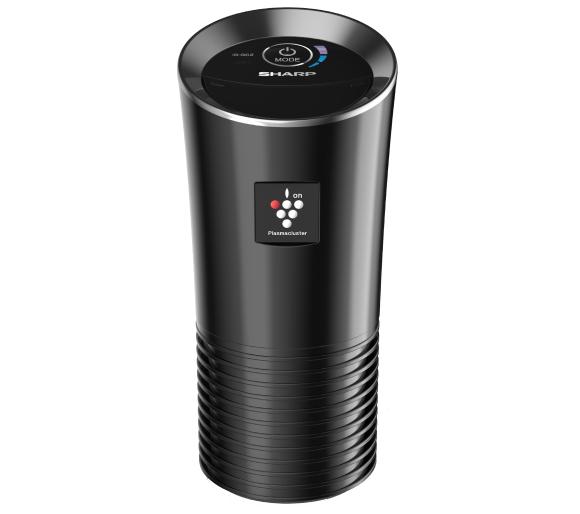
A quiet purifier additionally equipped with a PlasmaCluster ionizer. It works well in the car and when working at a desk.
Product description
- Maximum room size: up to 8 m²
- Air capacity/flow: CADR 80 m/h
- Air filters: pre-filter
- Additional modes and functions: ionizer
- Noise level: 19-36 dB
- Power consumption: 0.8-1.8 W
In addition to its compact size, its undoubted advantage is its durability and unique design. There are three speeds to choose from. In turbo mode, the device quickly removes odors from the car and emits as many as 75,000 ions/cm.
Why it's worth it
- two-stage pre-filter
- Plasmacluster ionizer
- possibility to connect via USB
- engine lock — the device will turn off when you turn off the engine in the car and will resume operation after restarting
- adjustment of the air flow angle
- energy-saving and quiet operation
Note this details
- no PM2.5 sensor
- no HEPA filter
Roidmi Car Purifier P8S
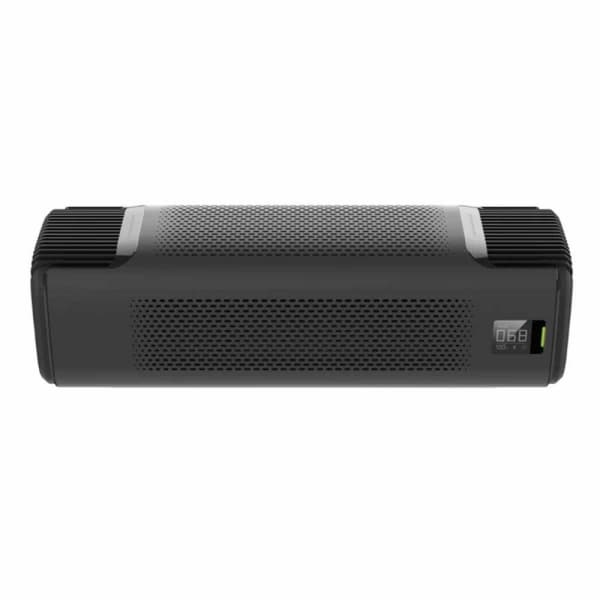
A small, efficient purifier that will instantly make your trip comfortable.
Product description
- Maximum room size: up to 8 m²
- Air capacity/flow: CADR 80 m/h
- Air filters: HEPA E11
- Additional modes and functions: night and automatic mode
- Sensors: PM2.5 (laser)
- Noise level: 35-42 dB
- Power consumption: 3.5 W
The car air purifier was produced by Roidmi, a company owned by Xiaomi. Just 2 minutes is enough to clean the air in the car. In auto mode, the device adjusts its operation to the PM2.5 concentration.
Why it's worth it
- performance (additional fans)
- quiet operation even at high speed
- convenient installation in the car's headrest (the display does not distract while driving)
- 12V power supply (car cigarette lighter)
- smartphone control
Note this details
- no CO2 sensor and carbon filter
Cleanliness and air quality are one thing. At home, mood and atmosphere also matter. Would you like to take care of them?
Read:
- Humidifier (Ranking)
- Scent Diffusers (Ranking)
- Scented Candles (Ranking 35+ products)
- Soy Candles (Ranking)
What is an air purifier and how does it work?
An air purifier is a device that filters the air and removes harmful pollutants such as pollen, dust mites, smog components, dust, as well as viruses and fungi.
Despite differences between individual models, the general principle of operation remains the same.
An air purifier, thanks to fans:
- draws in air,
- passes it through a filtration system that captures and retains pollutants,
- releases clean air back into the room.
Available air purifiers on the market differ in weight, size, efficiency, and technology used. Some can be placed on the floor in a room or mounted on a wall. Additionally, you can opt for small purifiers for cars or desks.
An important term you may encounter in the context of air pollution is PM2.5. These are suspended particles in the atmosphere with a size of no more than 2.5 micrometres. The World Health Organization (WHO) has identified them as the most dangerous to human health among all atmospheric pollutants.
The latest WHO guidelines from 2021 recommend aiming for an annual average PM2.5 concentration not exceeding 5 µg/m³, and a daily concentration not exceeding 15 µg/m³.
However, these are not legally binding guidelines. In Poland, standards are set based on the European Parliament and Council Directive 2008/50/EC of 21 May 2008, with the target to reduce exposure to pollutants calculated on a three-year cycle. The national average exposure index for PM2.5 in 2021, calculated as the average for 2019–2021, was 17 µg/m³.
Selected Filtration Methods
The core of modern air purifiers is the filtration system, which typically relies on three filters: pre-filter, carbon filter, and HEPA.
Pre-filter
Captures larger particles such as dust, hair, and other visible dirt.
HEPA Filters
Eliminate bacteria, viruses, fungi, PM2.5 dust, and other particles invisible to the human eye.
Choose models with the latest generation HEPA filters, namely H13 and H14 – they provide the highest effectiveness in combating the smallest pollution particles.
Carbon Filter
Removes hazardous compounds such as formaldehyde, benzene, xylene, volatile hydrocarbons, and unpleasant odours, as well as cigarette smoke.
A carbon filter can help you ventilate your home after frying, a party, or renovation. Frying bacon for your morning scrambled eggs emits up to 2.35 × 10³ µg PM2.5 in a minute – an amount that regular ventilation cannot handle.
Usually, each filter is installed separately, making maintenance and replacement easier, although some models integrate all filters into one system.
In some devices, you may also find an antibacterial filter and a cold catalytic filter, which removes volatile organic compounds (e.g., formaldehyde or benzene).
Is it worth buying an air purifier?
Even minimal exposure to air pollutants can cause irritation of the eyes, nose, and throat, headaches and dizziness, or fatigue.
In the long term, these can lead to respiratory, cardiovascular diseases, or even cancers, and may also cause pregnancy complications (e.g., preterm labour or low birth weight).
Worldwide, nearly 7 million deaths are recorded annually due to air pollution, and this number continues to rise.
According to data from the EPA (Environmental Protection Agency), indoor air can be up to 2–5 times more polluted than outdoor air. In this context, purchasing an efficient air purifier seems to be a sensible solution.
What Does an Air Purifier Provide? 7 Unexpected Benefits
The best air purifiers offer benefits that impact our health and well-being, and even productivity. The advantages of using air purifiers are greater than they might seem. Scientific research confirms this.
Relieves asthma and allergy symptoms
One of the primary functions of air purifiers is removing allergens from the air, including pollen, mould, and dust mites. This is possible thanks to HEPA filters, which alleviate asthma symptoms.
Reduces the risk of diabetes
Results from Danish studies published in 2016 indicated a strong correlation between PM2.5 pollution levels and an increased risk of developing diabetes. An increase in PM2.5 concentration by 10 micrograms raises the risk of diabetes by as much as 39%. The solution proved to be long-term use of air purifiers and wearing HEPA masks.
Reduces the risk of viral infections
HEPA filters are also effective at removing circulating viruses from the air. A CDC report shows that thanks to them, COVID-19 spread approximately 41% less compared to places without such filtration.
Lowers blood pressure
Even a slight reduction in inhaled air pollutants significantly impacts lowering blood pressure to healthier levels. A 2018 study found that reducing PM2.5 levels from 11 to 7 micrograms was sufficient.
Helps increase productivity at work
Research conducted at Harvard demonstrates that poor indoor air quality impairs cognitive abilities, concentration, and productivity. Lowering PM2.5 levels with efficient air purifiers equipped with HEPA filters can boost productivity and reduce sick days.
Neutralises unpleasant odours
Chemical substances—known as volatile organic compounds (VOCs)—commonly found in paints, aerosols, varnishes, or upholstered furniture can cause nausea, shortness of breath, and affect cognitive functions. An air purifier with a carbon filter and HEPA system can handle these without any problem.
Improves sleep quality
Indoor air pollution can trigger allergy symptoms (e.g., sneezing, hay fever, nasal congestion, or tearing), which also affect the quantity and quality of your sleep. Sleep problems lead to poorer well-being and decreased daytime productivity. To avoid this, invest in a good air purifier.
See also:
How many hours a day should an air purifier operate?
An air purifier should be running continuously. Air circulates all the time, so pollutants are constantly entering our spaces.
How much does an air purifier cost?
The prices of air purifiers range from a few hundred to several thousand Polish złoty. They depend on the technologies used, additional features, efficiency, or maximum coverage area.
When planning your investment, you should also consider operating costs, which mainly include filter replacements and electricity bills – both metrics depend on the device's efficiency and usage intensity.
The lifespan of filters in Poland is typically 1–3 years, and their average cost (depending on the model) ranges between 150–300 zł.
Regarding electricity bills, even if the air purifier runs 24 hours a day, the bills (at current rates) should not increase by more than £2.50 per month.
Where to buy an air purifier?
You can purchase an air purifier in physical stores or online from manufacturers and distributors, or in shops such as Media Expert, RTV Euro AGD, or Neonet.
Interesting options for home or office air purifiers can also be found in DIY stores like Castorama or Leroy Merlin.
Affordable air purifiers occasionally appear in Lidl (e.g., Silvercrest) and Biedronka (e.g., Hoffen) – however, we do not guarantee their quality. Their quality is often simply discounted.
If you already know which model you want to buy, use platforms such as Ceneo or Allegro to find the best deal.
Air Purifiers – User and Medical Opinions
Clean air is important for our health and daily comfort when staying indoors. This is confirmed by the studies mentioned earlier.
The quality of the air we breathe is particularly important for allergy sufferers, infants or young children, the elderly, and individuals exhibiting bronchial hyperreactivity after infections.

Witold TomaszewskiDoctor of Medical Sciences
And what do the users themselves think about air purifiers?
“It quickly detects and removes all pollutants that appear, for example, after cooking or airing the flat. Within an hour, it can even replace the worst filth” – admits Michał, who uses the Klarta Stor 2 model daily. “The only thing that could be improved is the noise level at the highest settings.”
Meanwhile, Natalia uses the Dyson Purifier Cool Formaldehyde TP09. She particularly appreciates its quiet operation, ease of filter replacement, and app control – allowing her to operate the device and monitor the air quality in her flat. “Design and appearance? TOP. As an air purifier, this model is excellent, but it doesn’t work well as a cooling device” – she states.
How to choose a good air purifier? Key parameters
If you want to find the best air purifier, you should primarily determine your needs and financial capabilities.
Start by answering these basic questions:
- What area will the air purifier operate in – will it be one room or the entire flat? Living room, bedroom or child's room? How many devices do you actually need?
- What types of pollutants should the purifier primarily deal with (e.g. smog, cigarette smoke, dust, pollen, pet hair)?
- Which technologies and how quickly will they address your issues? The higher the CADR (angl. Clean Air Delivery Rate), the more air the device can filter per hour, and for purifiers without HEPA 13 or 14, you can disregard this metric.
- What budget can you allocate for a one-time purchase and annual maintenance?
Design and interior compatibility are important, but not the most crucial factors.
When choosing an air purifier for your home or flat, pay attention to the following parameters:
- area of operation,
- efficiency,
- used filtration systems,
- operating modes and additional functions,
- noise levels in various operating modes,
- power consumption,
- purchase price and maintenance costs.
You will have greater confidence in the quality and effectiveness of a device if it possesses the appropriate certificates and approvals. The most important of these are:
- AHAM (certificate issued by the Association of Home Appliance Manufacturers confirming that the purifier has been tested for CADR);
- ECARF (certification awarded to products friendly to allergy sufferers and asthmatics based on opinions issued by medical university scientists);
- ENERGY STAR (certification confirming the device's energy efficiency, which is significant for the operating costs of air purifiers).
Helpful comparisons such as ours, as well as tests of individual devices available on YouTube or portals like Benchmark, can assist in selecting a specific model.
I hope that choosing the perfect air purifier will be much easier for you. If you have any further questions, ask them in the comments. Together with our experts, we will satisfy your curiosity.
Summary
- The air purifier should be selected based on your needs, floor area, and volume.
- The CADR efficiency factor indicates how much clean air the device delivers per hour and how quickly it filters your room.
- Modern air purifiers most often utilise a three-stage filtration system, consisting of a pre-filter, activated carbon filter, and HEPA filter.
- The latest generations of HEPA filters (H13 and H14) demonstrate the highest effectiveness in capturing microscopic particles from the air, at 99.95% and 99.995% respectively. Manufacturers also utilise EPA E12 filters with an efficiency of 99.5%.
- A good air purifier should be equipped with additional functions and modes, such as PM2.5 indicators, a restrictive automatic mode, night mode, or mobile control, which allow for intuitive and comfortable operation.
- If you require a device with additional filtration support, a good solution is an air purifier with an ioniser. Many models on the market feature this function.
- An air purifier with a humidifier (2-in-1) is suitable for apartments with humidity issues, small rooms (bedroom or child's room), and for allergy sufferers. Otherwise, purchasing a separate air purifier and humidifier would be a better and more cost-effective option.
FAQ
Does the air purifier work?
In a word – yes. The latest models of air purifiers filter not only smog particles. They effectively deal with bacteria, pollen, unpleasant odours, gases, viruses, or mould. This helps support our health and improves well-being.
Will an air purifier help with pet hair allergies?
Of course! Particularly helpful are purifiers with a HEPA filter. The latest generation HEPA 14 traps particles as small as 0.01 microns, whereas pet hair is usually 5–10 microns.
Does an air purifier alleviate asthma symptoms?
Yes, scientific studies show that the level and quality of such support depend on the airflow rate in the purifier, the type and construction of the filter, the size of allergen particles, and the placement of the purifier within the home.
Does an air purifier collect and remove dust?
Yes. Effectiveness depends on the features of the specific model. The most effective are purifiers with a HEPA filter. Filters of the latest HEPA H13 and HEPA H14 generations trap particles as small as 0.3 and 0.01 microns respectively.
Do air purifiers remove dust mites, viruses, and fungi?
Yes. An air purifier helps remove dust and dust mites. It also handles bacteria, viruses, and fungal spores (including mould) circulating in the air.
What is the best air purifier under £500?
Air purifiers under £500 worth considering include, among others, Xiaomi Air Purifier 3C, TCL Breeva A1C H13, Sharp UA-PE30E-WB, Webber AP8400, Blaupunkt AHS701, or Ravanson AP-30.
How often should I replace the filter in my air purifier?
It is generally recommended to replace HEPA/EPA filters once a year, and the carbon filter every two years. The frequency of filter replacement depends on the operating time of the purifier and the level of pollution. The lifespan of pre-filters is usually 10 years. The device will inform you when a replacement is needed.
Can an air purifier handle cigarette smoke?
Cigarette smoke is a mixture of 5000 different substances, including nearly 250 highly toxic ones. Air purifiers are designed to remove allergens, smog particles, microorganisms, and harmful odours.
A good air purifier will deal with both solid particles (e.g., cadmium, arsenic, and benzopyrene) and gases (e.g., formaldehyde, acetone) released by cigarette smoke.
Is an air purifier with UV lamp safe?
UV lamps and UV-C LED diodes operate solely inside the purifier. They are safe because radiation does not pass through the casing. They are intended to help maintain a clean environment.
Although there are models on the market that utilise this technology, it should be regarded as an addition within the filtration system. The US Environmental Protection Agency considers it too ineffective to be used as a standalone solution.
Can I include the cost of an air purifier in my company's expenses?
Based on the interpretation issued by the National Tax Information Office on 19 July 2017, the purchase of such devices as filters or air purifiers can be classified as a business expense if they serve to improve working conditions or increase revenue. Devices used at home cannot be 'deducted' as business expenses.
Such cases are considered individually, so for complete certainty, contact the KIS for an official interpretation.
Does an air purifier dry out the air?
The operation of an air purifier does not affect the humidity in the room. However, there are devices available on the market with this function. Use them only if humidity exceeds 50–60%.
Air purifier or humidifier – which should I choose?
An air purifier filters the air and removes pollutants (e.g., dust, particles, or smog components). A humidifier maintains an appropriate level of humidity. An air humidifier is more suitable in winter months when indoor air is drier.
There are also 2-in-1 purifiers available on the market that combine both functions.
Learn more about humidifiers and how they work in the article: The Best Humidifier for Air (Ranking).
Is it worth buying an air purifier with a humidifier?
Both devices can help allergy sufferers or asthmatics. They provide clean air and appropriate humidity. You can choose a hybrid device with both purification and humidification functions or buy separate devices and use them as needed. However, it is generally better to purchase two separate devices, mainly due to efficiency, device prices, and operating costs.
How to make an air purifier?
You will find many tutorials online for DIY enthusiasts on how to build a homemade air purifier. You will need a fan, HEPA filters, a box, a power cord, and basic tools (tape, scissors, screwdriver, ruler, compass, or pencil).
Another method involves using activated charcoal. Simply crush a few tablets and scatter them on the soil in a pot. Replenish the charcoal every 2–3 weeks.
Some plant species can also naturally help purify the air. The best living air purifiers include Peace Lily, Ficus Benjamin, Sansevieria, or Begonia.
Sources
See all
Amritwar, A. U., Lowry, C. A., Brenner, L. A., Hoisington, A. J., Hamilton, R., Stiller, J. W., & Postolache, T. T. (2017). Mental Health in Allergic Rhinitis: Depression and Suicidal Behaviour. Current treatment options in allergy, 4(1), 71–97. https://doi.org/10.1007/s40521-017-0110-z
Research on PM2.5 air pollution monitoring of average exposure index—GIOŚ. (n.d.). Retrieved 22 February 2023, from https://powietrze.gios.gov.pl/pjp/content/exposure_dust_pm
Boston, 677 Huntington Avenue, & Ma 02115 +1495‑1000. (2021, September 9). Office air quality may affect employees’ cognition, productivity. News. https://www.hsph.harvard.edu/news/press-releases/office-air-quality-may-affect-employees-cognition-productivity/
Brągoszewska, E., & Biedroń, I. (2021). Efficiency of Air Purifiers at Removing Air Pollutants in Educational Facilities: A Preliminary Study. Frontiers in Environmental Science, 9. https://www.frontiersin.org/articles/10.3389/fenvs.2021.709718
Bruce, D. F. & PhD. (n.d.). Can Air Filters Ease Asthma Symptoms? WebMD. Retrieved 20 February 2023, from https://www.webmd.com/asthma/guide/do-you-need-an-air-filter
Chen, R., Zhao, A., Chen, H., Zhao, Z., Cai, J., Wang, C., Yang, C., Li, H., Xu, X., Ha, S., Li, T., & Kan, H. (2015a). Cardiopulmonary benefits of reducing indoor particles of outdoor origin: A randomised, double-blind crossover trial of air purifiers. Journal of the American College of Cardiology, 65(21), 2279–2287. https://doi.org/10.1016/j.jacc.2015.03.553
Chen, R., Zhao, A., Chen, H., Zhao, Z., Cai, J., Wang, C., Yang, C., Li, H., Xu, X., Ha, S., Li, T., & Kan, H. (2015b). Cardiopulmonary Benefits of Reducing Indoor Particles of Outdoor Origin: A Randomised, Double-Blind Crossover Trial of Air Purifiers. Journal of the American College of Cardiology, 65(21), 2279–2287. https://doi.org/10.1016/j.jacc.2015.03.553
Chu, M. T., Dong, W., Chi, R., Pan, L., Li, H. Y., Hu, D. Y., Yang, X., Deng, F. R., & Guo, X. B. (2018). [Effects of high-efficiency particulate air purifiers on indoor fine particulate matter and its constituents in a district of Beijing during winter]. Beijing Da Xue Xue Bao. Yi Xue Ban = Journal of Peking University. Health Sciences, 50(3), 482–487.
Filho, N. A. R., Urrutia-Pereira, M., D’Amato, G., Cecchi, L., Ansotegui, I. J., Galian, C., Pomés, A., Murrieta-Aguttes, M., Caraballo, L., Rouadi, P., Annesi-Maesano, I., Pawankar, R., Chong-Neto, H. J., & Peden, D. B. (2021). Air pollution and indoor settings. World Allergy Organization Journal, 14(1). https://doi.org/10.1016/j.waojou.2020.100499
Fuller, R., Landrigan, P. J., Balakrishnan, K., Bathan, G., Bose-O’Reilly, S., Brauer, M., Caravanos, J., Chiles, T., Cohen, A., Corra, L., Cropper, M., Ferraro, G., Hanna, J., Hanrahan, D., Hu, H., Hunter, D., Janata, G., Kupka, R., Lanphear, B., & Yan, C. (2022). Pollution and health: A progress update. The Lancet Planetary Health, 6(6), e535–e547. https://doi.org/10.1016/S2542-5196(22)00090-0
Gettings, J. (2021). Mask Use and Ventilation Improvements to Reduce COVID-19 Incidence in Elementary Schools—Georgia, November 16–December 11, 2020. MMWR. Morbidity and Mortality Weekly Report, 70. https://doi.org/10.15585/mmwr.mm7021e1
Hansen, A. B., Ravnskjær, L., Loft, S., Andersen, K. K., Bräuner, E. V., Baastrup, R., Yao, C., Ketzel, M., Becker, T., Brandt, J., Hertel, O., & Andersen, Z. J. (2016). Long-term exposure to fine particulate matter and incidence of diabetes in the Danish Nurse Cohort. Environment International, 91, 243–250. https://doi.org/10.1016/j.envint.2016.02.036
Internetowa baza tekstów prawnych OpenLEX. (n.d.). OPENLEX. Retrieved 20 February 2023, from https://sip.lex.pl
L_2008152PL.01000101.xml. (n.d.). Retrieved 22 February 2023, from https://eur-lex.europa.eu/legal-content/PL/TXT/HTML/?uri=CELEX:32008L0050&from=PL
Leroutier, M., & Quirion, P. (2022). Air pollution and CO2 from daily mobility: Who emits and Why? Evidence from Paris. Energy Economics, 109, 105941. https://doi.org/10.1016/j.eneco.2022.105941
Li, C. H., Cervantes, M., Springer, D. J., Boekhout, T., Ruiz-Vazquez, R. M., Torres-Martinez, S. R., Heitman, J., & Lee, S. C. (2011). Sporangiospore Size Dimorphism Is Linked to Virulence of Mucor circinelloides. PLOS Pathogens, 7(6), e1002086. https://doi.org/10.1371/journal.ppat.1002086
Li, Z., Wen, Q., & Zhang, R. (2017). Sources, health effects and control strategies of indoor fine particulate matter (PM2.5): A review. Science of The Total Environment, 586, 610–622. https://doi.org/10.1016/j.scitotenv.2017.02.029
Matsui, E. C., Abramson, S. L., Sandel, M. T., SECTION ON ALLERGY AND IMMUNOLOGY, COUNCIL ON ENVIRONMENTAL HEALTH, Dinakar, C., Irani, A.-M., Kim, J. S., Mahr, T. A., Pistiner, M., Wang, J., Lowry, J. A., Ahdoot, S., Baum, C. R., Bernstein, A. S., Bole, A., Brumberg, H. L., Campbell, C. C., Lanphear, B. P., & Trasande, L. (2016). Indoor Environmental Control Practices and Asthma Management. Pediatrics, 138(5), e20162589. https://doi.org/10.1542/peds.2016-2589
Liu, Q., Son, Y. J., Li, L., Wood, N., Senerat, A. M., & Pantelic, J. (2022). Healthy home interventions: Distribution of PM2.5 emitted during cooking in residential settings. Building and Environment, 207, 108448. https://doi.org/10.1016/j.buildenv.2021.108448
Miyoshi, T., Furuie, W., Otani, Y., Tani, C., Waku, M., Koike, F., Miyazaki, Y., Inase, N., Sasano, T., Akaza, M., Kubota, T., & Sumi, Y. (2018). Can air purifier promote the indoor cleanliness and improve the patients with asthma? European Respiratory Journal, 52(suppl 62). https://doi.org/10.1183/13993003.congress-2018.PA1691
Morishita, M., Adar, S. D., D’Souza, J., Ziemba, R. A., Bard, R. L., Spino, C., & Brook, R. D. (2018). Effect of Portable Air Filtration Systems on Personal Exposure to Fine Particulate Matter and Blood Pressure Among Residents in a Low-Income Senior Facility: A Randomised Clinical Trial. JAMA Internal Medicine, 178(10), 1350–1357. https://doi.org/10.1001/jamainternmed.2018.3308
Air quality assessment—Current measurement data—GIOŚ. (n.d.). Retrieved 20 February 2023, from https://powietrze.gios.gov.pl/pjp/current
Park, H.-K., Cheng, K.-C., Tetteh, A. O., Hildemann, L. M., & Nadeau, K. C. (2017). Effectiveness of air purifier on health outcomes and indoor particles in homes of children with allergic diseases in Fresno, California: A pilot study. The Journal of Asthma: Official Journal of the Association for the Care of Asthma, 54(4), 341–346. https://doi.org/10.1080/02770903.2016.1218011
Peters, R., Ee, N., Peters, J., Booth, A., Mudway, I., & Anstey, K. J. (2019). Air Pollution and Dementia: A Systematic Review. Journal of Alzheimer’s Disease: JAD, 70(s1), S145–S163. https://doi.org/10.3233/JAD-180631
Reisman, R. E., Mauriello, P. M., Davis, G. B., Georgitis, J. W., & DeMasi, J. M. (1990). A double-blind study of the effectiveness of a high-efficiency particulate air (HEPA) filter in the treatment of patients with perennial allergic rhinitis and asthma. Journal of Allergy and Clinical Immunology, 85(6), 1050–1057. https://doi.org/10.1016/0091-6749(90)90050-E
Residential Air Cleaners—A Technical Summary. (n.d.-a). https://www.epa.gov/sites/default/files/2018-07/documents/residential_air_cleaners_-_a_technical_summary_3rd_edition.pdf
Rosenthal, J. (2008, December 15). Researchers Confirm Some Air Cleaners Generate Ultrafine Particles. Tex-Air Filters. https://www.texairfilters.com/researchers-confirm-some-air-cleaners-generate-ultrafine-particles-2/
Study: Air pollution causes 200,000 early deaths each year in the U.S. (2013, August 29). MIT News | Massachusetts Institute of Technology. https://news.mit.edu/2013/study-air-pollution-causes-200000-early-deaths-each-year-in-the-us-0829
US Department of Commerce, N. (n.d.). Discussion on Humidity. NOAA’s National Weather Service. Retrieved 20 February 2023, from https://www.weather.gov/lmk/humidity
US EPA, O. (2017, November 2). Indoor Air Quality [Reports and Assessments]. https://www.epa.gov/report-environment/indoor-air-quality
Vijayan, V. K., Paramesh, H., Salvi, S. S., & Dalal, A. A. K. (2015). Enhancing indoor air quality – The air filter advantage. Lung India : Official Organ of Indian Chest Society, 32(5), 473–479. https://doi.org/10.4103/0970-2113.164174
Waring, M. S., Siegel, J. A., & Corsi, R. L. (2008). Ultrafine particle removal and generation by portable air cleaners. Atmospheric Environment, 42(20), 5003–5014. https://doi.org/10.1016/j.atmosenv.2008.02.011
WHO global air quality guidelines: Particulate matter (PM2.5 and PM10), ozone, nitrogen dioxide, sulfur dioxide and carbon monoxide. (n.d.). Retrieved 22 February 2023, from https://www.who.int/publications-detail-redirect/9789240034228
Wilson, J. M., & Platts-Mills, T. A. E. (2018). Home Environmental Interventions for House Dust Mite. The Journal of Allergy and Clinical Immunology. In Practice, 6(1), 1–7. https://doi.org/10.1016/j.jaip.2017.10.003
World Health Organization. (2021). WHO global air quality guidelines: Particulate matter (PM2.5 and PM10), ozone, nitrogen dioxide, sulfur dioxide and carbon monoxide. World Health Organization. https://apps.who.int/iris/handle/10665/345329
Ziska, L., Knowlton, K., Rogers, C., Dalan, D., Tierney, N., Elder, M. A., Filley, W., Shropshire, J., Ford, L. B., HedBerg, C., Fleetwood, P., Hovanky, K. T., Kavanaugh, T., Fulford, G., Vrtis, R. F., Patz, J. A., Portnoy, J., Coates, F., Bielory, L., & Frenz, D. (2011). Recent warming by latitude associated with increased length of ragweed pollen season in central North America. Proceedings of the National Academy of Sciences, 108(10), 4248–4251. https://doi.org/10.1073/pnas.1014107108
Editorials
Meet the team
Choose the best depilator for you, learn the current prices, and find out how to depilate to enjoy smooth skin for longer.
Find out about the types of acupressure mats and the benefits of self-massage.
![Soy candles: natural, handmade, Polish [ranking 2025].](https://cdn-resources.natu.care/uploads/1/swiece_sojowe_hero_8ad214c00f.jpg)
Soy candles emit no harmful substances and provide a pleasant aroma in the room.