- Home
- Omega acids
- Natu.Care Omega-3 550 mg
Natu.Care Omega-3 550 mg: ingredient analysis, reviews, properties
Omega-3 in an appropriate dose and optimal ratio of DHA and EPA fatty acids supplement valuable fats in the diet.

Learn more about our editorial process
.
Learn more about our editorial process
.
Learn more about our editorial process
.
Learn more about our editorial process
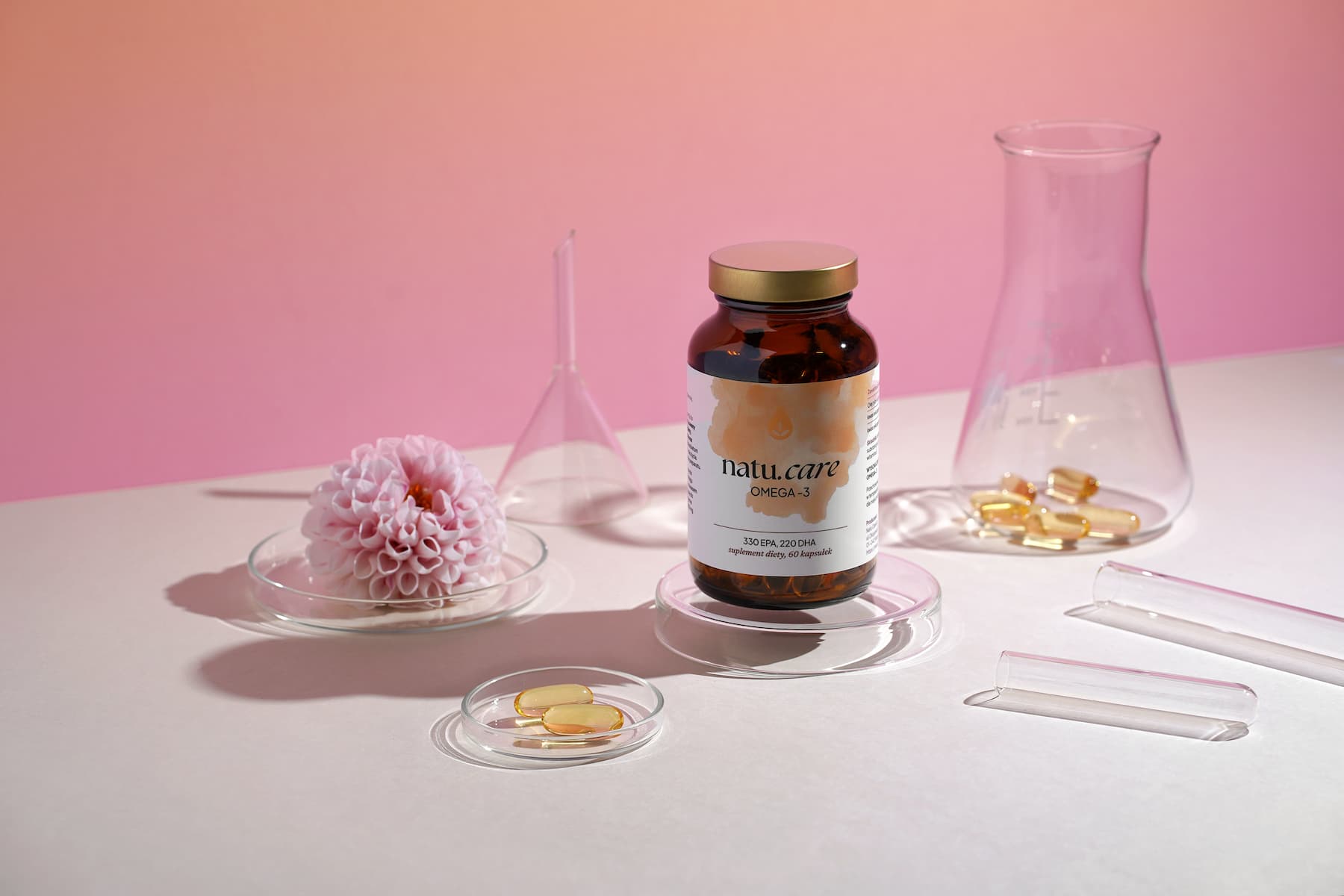
.
Why you can trust us
Articles on Natu.Care are written based on scientific research, data from government websites and other reliable sources. The texts are written in cooperation with doctors, nutritionists and other health and beauty experts. Articles are reviewed before publication and during significant updates.
.Learn more about our editorial process
.Information about advertisements
Content on Natu.Care may contain links to products from the sale of which we may receive a commission. When creating content, we adhere to high editorial standards and take care to be objective about the products discussed. The presence of affiliate links is not dictated by our partners, and we select the products we review ourselves completely independently.
.Learn more about our terms and Conditions
.The growing market for omega-3 preparations has led to the need to be able to choose the right product for yourself, in order to supply only the essential ingredients, in the appropriate dose and form.
The dietary supplement with omega-3 fatty acids from Natu.Care modestly stands out among competitors, therefore together with pharmacy graduate Ilona Krzak, we take a close look at its composition – and we like what we see – and you will see too.
From this article you will learn:
- What is the composition of Natu.Care's omega-3 fatty acids.
- The results of laboratory tests of this supplement.
- How a pharmacy graduate evaluates the composition.
- What distinguishes Natu.Care supplement from others.
- How customers rate omega-3 fatty acids.
- Why you need omega-3 fatty acids in your diet.
https://natu.shop/products/premium-omega-3 Natu.Care Omega-3ᵀᴳ Premium for the health of your heart, brain and immune system. Best absorption. Optimal dose of 750 mg. Tested by an independent laboratory.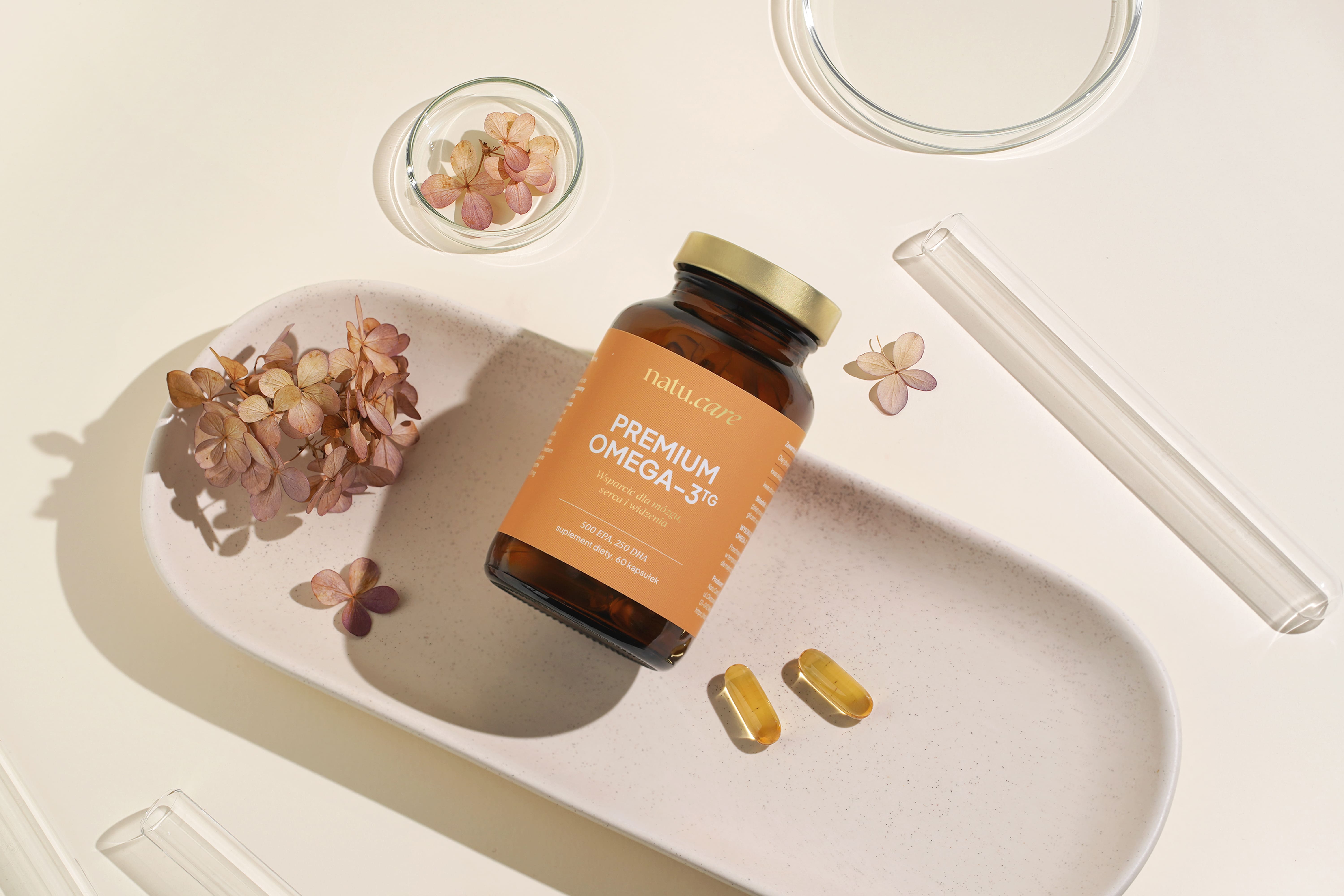
See also:
- Omega-3 fatty acids – which to choose?
- Omega-3 deficiency – symptoms
- Omega-3 triglycerides
- Omega-3 fatty acids
- Omega-6 fatty acids
- Omega-9 fatty acids
- Omega 3-6-9 fatty acids
- DHA acid
- EPA acid
- ALA acid
Natu.Care Omega-3 550 mg – composition analysis
Healthy fats are essential in the diet and must be supplied through food. If you do not consume 1–2 portions of oily fish weekly, you should consider supplementation.
What does the dietary supplement Natu.Care Omega-3 contain?
Oil from wild sardines
In our product, you will find oil derived from wild sardines. Fresh fish contain 0.5 g EPA and 0.9 g DHA per 100 g, making them an excellent, natural source of healthy fats . This is more than Atlantic cod, from which cod liver oil is produced.
Proper daily dose
Natu.Care Omega-3 contains 550 mg EPA and DHA in a beneficial ratio of 3:2. Official recommendations for Poland specify a minimum of 250 mg EPA + DHA daily . Compared to other countries, these suggestions seem low – for example, in Brazil, Israel, or the United States, a daily intake of 1000 mg EPA+DHA is recommended . Therefore, 550 mg in our supplement appears to be a safe compromise.
An adult should consume slightly more EPA than DHA. These fatty acids compete for absorption in the body. EPA is necessary throughout life, while DHA mainly during infancy, childhood, and old age.

Julia SkrajdaDietitian
The level of DHA stabilises around the age of 5 in the body, whereas the demand for EPA is dynamic and varies throughout later life. The ratio of EPA to DHA intake should be at least 2:1 – adds the dietitian.
Simple composition
Our dietary supplement does not contain unnecessary, harmful additives such as artificial fillers, colourings, or preservatives.
The composition is short and specific:
- fish oil from wild sardines – an excellent source of DHA and EPA,
- bovine gelatin, moisture-retaining substance: glycerol, water – these are the capsule ingredients,
- Vitamin E – a natural stabiliser.
Natu.Care Omega-3 provides only what you need – without unnecessary surprises.
Laboratory tests
Natu.Care Omega-3 has been tested by an independent, accredited laboratory J.S. Hamilton. The test results confirm that the omega-3s are free from heavy metals and microorganisms.
We believe that possessing such tests should be a requirement for every manufacturer, especially as more independent tests reveal discrepancies in active ingredient content or the presence of dangerous mercury in various dietary supplements.
We also commissioned a TOTOX test, which indicates the quality and stability of fish oil. This test is dedicated to triglyceride-form fish oils, but we performed it for transparency.
The TOTOX value for Natu.Care Omega-3 550 mg is 17. This is a good result – according to the European Food Safety Authority, it should be equal to or less than 26 .

Summary
Natu.Care Omega-3 550 mg is a supplement with an appropriate daily dose of DHA and EPA – 550 mg covers over 220% of the minimum requirement for omega-3 fatty acids. The product has a clean composition, without unnecessary additives, and does not contain heavy metals or microorganisms.
How to take Natu.Care Omega-3?
Take 1 capsule daily at any time of the day, with water. The package is sufficient for two months of supplementation, helping you maintain consistency – which is key. You can take the supplement without interruption, especially if you do not eat oily fish.
Helpful tips during supplementation to maximise the benefits of omega-3:
- You will avoid fishy burps by taking the capsule at the beginning of a substantial meal.
- You will improve omega-3 absorption by consuming it alongside healthy fats, as they enhance the uptake of these fatty acids . Healthy fats include: avocado, nuts, soy, seeds, olive oil, eggs.
- Do not drink coffee at least an hour before and an hour after taking the supplement, as it can interfere with the absorption of some nutrients.
- Avoid swallowing the capsule with a high-protein, meat-rich meal. Proteins from food may react with the gelatin shell, potentially delaying the absorption of the dietary supplement.
Why are omega-3 fatty acids important?
Omega-3 fatty acids influence many processes and organs in your body. Their insufficient intake is dangerous for health, wellbeing, and even skin condition.
What do omega-3 fatty acids affect?
Cardiovascular system
Omega-3 fatty acids lower blood triglyceride levels and blood pressure, thereby reducing the risk of cardiovascular diseases such as hypertension, atherosclerosis, ischaemic heart disease, and heart attackand.
Clinical evidence suggests that fish oil reduces the risk of death from cardiovascular causes and abnormal heart rhythms. It may prevent ventricular arrhythmias leading to sudden death.

Ilona Krzak Master of Pharmacy
Nervous system
Omega-3 fatty acids are necessary for building cell membranes in the brain, allowing for smooth information flow between neurons. They may support renewal and growth – thus improving your memory and concentrationand.
Scientific studies suggest that polyunsaturated fatty acids may be helpful in treating symptoms of neurodegenerative diseases, e.g., Alzheimer’s disease – by inhibiting neuronal cell deathand.
The brain and central nervous system are particularly dependent on DHA in terms of normal signalling and functioning. Research indicates that omega-3 fatty acid deficiencies are one of the factors contributing to increased depression disorders.
Ilona Krzak Master of Pharmacy
Mental health
Scientific research suggests that an adequate amount of omega-3 fatty acids in the diet protects against anxiety disorders and depressionand. These valuable fatty acids are also helpful in treating already diagnosed conditionsand.
Metabolites of polyunsaturated fatty acids may increase serotonin levels, the so-called happiness hormone, whose deficiency is key in the development of depression.

Marcin Zarzycki Physician
Omega-3 fatty acid supplementation plays a role in treating anorexia by stimulating the production and release of orexigenic neurotransmitters in the hypothalamic feeding regulation centres.
Ilona Krzak Master of Pharmacy
Musculoskeletal system
Scientific studies suggest that omega-3 supplementation reduces pain in individuals with osteoarthritis of synovial joints and decreases pain and stiffness in those with rheumatoid arthritis (RA)and.
Importantly, omega-3 fatty acids increase calcium levels in bones, which can strengthen and improve their structure. Supplementation is especially important for seniors, who are at risk of osteoporosis and fracturesand.
Sleep
Supplementing with DHA and EPA may improve sleep quality and duration, as well as protect against the development of sleep disordersand. Low omega-3 levels can lead to sleep problems in children and obstructive sleep apnoea in adultsand.
Excessive sleepiness, fatigue, and impaired cognitive functions reduce quality of life, and poor sleep quality increases the risk of serious illnesses, including depression, obesity, and diabetesand.
Condition
Omega-3 fatty acids are a useful supplement for physically active individuals. A review of scientific studies from 2020 suggests that regular consumption of these acids improves training efficiency, endurance, recovery, and provides protective effects on the nervous system subjected to trainingand. Additionally, they reduce the risk of injuries or infections that could exclude one from sports activityand.
See also: Omega-3 for athletes
Inflammation
Chronic inflammation in the body may contribute to the development of cancers, diabetes, and neurodegenerative disorders. Omega-3 fatty acids can reduce the production of molecules and substances associated with inflammationand.
People with autoimmune diseases such as Hashimoto, hypothyroidism, and hyperthyroidism, rheumatoid arthritis, or diabetes should pay particular attention to omega-3 intake in their diet.
Brain and eye development in infants
The DHA fatty acid is essential for the proper development of the retinaand. Studies have shown that infants fed with breast milk or formula enriched with omega-3 fatty acids have better vision compared to those who did not receive themand.
Seafood consumption during pregnancy is associated with developmental benefits in childhood, such asand:
- advanced motor development, social development, and language skills by 18 months,
- higher receptive vocabulary at age 3,
- higher IQ scores, language, and motor development at age 4,
- reduced hyperactivity,
- higher verbal IQ at age 9.
– as stated by Master of Pharmacy Ilona Krzak.
See also:
Metabolic syndrome
Metabolic syndrome is a condition characterised by the simultaneous presence of various risk factors, such as abdominal obesity, high blood pressure, elevated blood sugar, and abnormal cholesterol levelsand. It is associated with a higher risk of developing heart disease, type 2 diabetes, and other serious health problems.
Proper omega-3 intake may reduce the risk of these factors, but remember that lifestyle, body weight, diet, and stress levels have the most significant impact on the occurrence of metabolic syndromeand.
Vision
Besides being essential for the proper development of the retina, omega-3 fatty acids play a significant preventive role. They may improve blood supply to the optic nerve and reduce the risk of glaucoma and macular degenerationand.
Risk of developing diseases
Proper omega-3 fatty acid intake reduces the chances of developing:
- Cancers: some studies suggest that omega-3 fatty acids may prevent the formation or slow the progression of breast, prostate, and colon cancersand.
- Autoimmune diseases: due to their anti-inflammatory effects, omega-3 fatty acids may prevent and support treatment of conditions such as diabetes, Hashimoto, multiple sclerosis, rheumatoid arthritis, and psoriasisand.
Menstrual pain
Scientific studies involving 95 women suggest that those consuming omega-3 fatty acids for 3 months experienced milder menstrual painand. Intake of 300 mg EPA + DHA was more effective in treating severe menstrual pain than ibuprofenand.
Other research showed that supplementation with 750 mg EPA + DHA for 12 weeks significantly reduced abdominal pain, lower back pain, and the need for NSAIDs (non-steroidal anti-inflammatory drugs) among adolescent girlsand.
Skin appearance and condition
The DHA fatty acid is a structural component of the skin and is responsible for the health of cell membranes, which constitute a large part of it. Adequate levels of this acid support skin hydration, improve its appearance, and protect against premature ageingand.
Moreover, a diet rich in omega-3 fatty acids reduces the risk of acne and prevents excessive keratinisation of hair follicles (small, red bumps on the skin)and.
Summary
Essential omega-3 fatty acids influence the functioning of many systems, organs, mental health, and wellbeing. Proper intake protects against disease development, supports the functioning of the entire body and mind, and allows you to enjoy healthy skin. Omega-3s are important for health throughout life – starting from prenatal life.
Deficiency of Omega-3 Fatty Acids
If you do not consume 1–2 servings (approximately 300 g) of fatty fish per week, you may be at risk of omega-3 fatty acid deficiency. Unfortunately, these symptoms are not specific, but the signs listed below should draw your attention.
Symptoms of omega-3 deficiency include and:
- keratinisation of the epidermis,
- fatigue,
- joint pain,
- reduced immunity,
- mood deterioration,
- hair loss.
If you experience any of these symptoms, consult a doctor. Also remember to regularly perform blood tests, thyroid hormone tests, and tests for potential deficiencies, especially vitamin D, iron, vitamin B12, and iodine.
Who do we recommend omega-3 fatty acids for?
Each of us needs to supply valuable omega-3 fatty acids, but certain groups should pay particular attention to healthy fats in their diet. These include:
- people who eat little oily fish,
- vegans and vegetarians,
- pregnant and breastfeeding women,
- children during periods of rapid growth,
- patients undergoing cardiological treatment and heart disease prevention,
- the elderly,
- people with autoimmune diseases, e.g. Hashimoto, Rheumatoid Arthritis,
- allergy sufferers,
- physically active individuals and athletes.
Contraindications for the use of omega-3 fatty acids
There are contraindications for the use of omega-3 fatty acids. These include :
- allergies to fish or ingredients of the omega-3 dietary supplement,
- recent surgery or upcoming surgical procedure, as omega-3 fatty acids may increase the risk of bleeding,
- conditions such as peptic ulcer disease or Crohn's disease,
- use of anticoagulant or antiplatelet medications,
- cardiac arrhythmias,
- pregnancy.
The principle is simple: before starting supplementation, consult your doctor. They are aware of your health status and will combine facts to ensure your supplementation is safe.
Omega-3 fatty acids during pregnancy and breastfeeding
Pregnant and breastfeeding women require a daily intake of 250 mg of EPA+DHA fatty acids and an additional 100–200 mg of DHA . Omega-3 fatty acids are important for the health of the mother and the proper development of the baby .
On the packaging of Natu.Care Omega-3, you will find information that the supplement should not be taken by pregnant women, as this reflects our concern for the safety of the future mother and child:
- we do not know if you have any chronic illnesses or what they are,
- we do not know what medications and other dietary supplements you are taking,
- we do not know your health status or the course of your pregnancy.
This should be decided by a doctor, who will determine whether you can safely use an omega-3 supplement. Pregnancy is an exceptionally sensitive period in a woman's life. The omega-3 composition from Natu.Care is simple, pure, free from heavy metals and microorganisms.
Omega-3 Fatty Acids Side Effects
Side effects of using omega-3 fatty acids are rare and usually occur as a result of excessive supplementationand
Too much omega-3 in the body can cause the following symptomsand:
- reduced blood clotting,
- Nasal bleeding,
- diarrhoea, bloating, belching, nausea, reflux,
- elevated blood sugar levels,
- lowered blood pressure,
- increased insomnia or anxiety.
To avoid adverse effects, pay attention to contraindications and do not exceed the recommended daily dose.
Reviews of Natu.Care Omega-3 550 mg
Plus for the short capsule composition – oil, coating and antioxidant, without unnecessary additives. Oils from small, fatty marine fish such as sardines are an excellent source of omega-3 fatty acids.
Ilona Krzak Master of Pharmacy
Appropriate daily dose and simple composition. I recommend it to people who are unable to supply valuable omega-3 fatty acids from their diet.
Julia Skrajda Dietitian
https://natu.shop/products/premium-omega-3 Natu.Care Omega-3ᵀᴳ Premium for the health of your heart, brain and immune system. Best absorption. Optimal dose of 750 mg. Tested by an independent laboratory.
Summary
- Natu.Care Omega-3 550 mg is a dietary supplement containing 330 mg of EPA and 220 mg of DHA.
- The product lasts for 2 months of supplementation, with a daily dose of 1 capsule taken at any time of day.
- The dietary supplement has a TOTOX of 17 (according to EFSA, a result equal to or below 26 is considered good) and laboratory tests confirming it is free from contaminants and microorganisms.
- The composition is simple and free from unnecessary additives.
- Omega-3 fatty acids are important in the diet and should be consumed to ensure the proper functioning of many systems, organs, and mental health.
- If you are pregnant, have a chronic illness, are on medication long-term, have allergies, or are planning surgery, absolutely consult your doctor before supplementing.
FAQ
Can I use this supplement during pregnancy?
On the packaging of this dietary supplement, you will find information that it should not be taken by pregnant women. This is due to concerns for the safety of the future mother and the child. We do not know if you have any chronic illnesses, what medications and other dietary supplements you are taking, nor do we know your health status and the course of your pregnancy. This is information for your doctor, who should decide whether you can safely use the dietary supplement with omega-3 fatty acids.
Do I need to take breaks from supplementation?
You do not need to take breaks from supplementation. Our omega-3 dietary supplement can be used all year round, especially if you do not eat oily fish, which are the best source of omega-3 fatty acids in your diet.
Can I take this supplement at night?
Yes, you can take omega-3 fatty acids at night and at any time of the day, as it does not matter. There is another point to consider – consume the capsule with foods containing healthy fats, as this increases the bioavailability of omega-3 fatty acids, facilitating their absorption by the body.
Can I give Natu.Care Omega-3 to children?
Omega-3 fatty acids are important in the diets of children and adolescents, especially if they do not eat oily fish, which are their best source. However, any supplementation for children or teenagers should be discussed with a doctor. The composition of our omega-3 fatty acids (both the 550 mg variant and 750 mg Premium) is safe, tested, and free from contaminants, but let the doctor decide whether your child needs omega-3s. They know best about their health status, medications, other supplements, illnesses, diet, and lifestyle, so they will advise you accordingly.
Do I need to supplement omega-3 on a vegan diet?
Yes, vegans and vegetarians, as well as those who eat little fish, should supplement omega-3 fatty acids because:
- A plant-based diet mainly provides ALA, not DHA and EPA,
- plant-based sources of omega-3 fatty acids are not as well absorbed by the body as those of animal origin, specifically from oily fish,
- oily fish are the best source of omega-3; for those on a plant-based diet, marine algae are recommended.
What should I avoid during omega-3 supplementation?
Follow a few rules to ensure effective and enjoyable omega-3 supplementation:
- Do not wash down the supplement with coffee or black tea, as they reduce the absorption of some nutrients.
- Do not take the capsule on an empty stomach – this does not promote the absorption of omega-3s and may cause unpleasant belching.
- Avoid alcohol consumption and smoking, as they deplete omega-3 fatty acids from the body.
- Keep the packaging tightly closed and store in a dry, cool, and dark place to preserve the quality of omega-3 fatty acids for longer.
How to avoid fishy burps?
To avoid fishy burps, take the capsule at the beginning of a substantial meal, such as lunch. Ensure the presence of healthy fats in your diet, such as avocado, nuts, seeds, eggs, and soy.
Sources
See all
(BIOHAZ), E. (2010). Scientific Opinion on Fish Oil for Human Consumption. Food Hygiene, including Rancidity. EFSA Journal, 8. https://doi.org/10.2903/j.efsa.2010.1874
7 Things To Know About Omega-3 Fatty Acids. (n.d.). NCCIH. Retrieved 27 November 2023, from https://www.nccih.nih.gov/health/tips/things-to-know-about-omega-fatty-acids
A fish a day, keeps the cardiologist away! – A review of the effect of omega-3 fatty acids in the cardiovascular system – PMC. (n.d.). Retrieved 27 November 2023, from https://www.ncbi.nlm.nih.gov/pmc/articles/PMC3712371/
Abd Allah, E. S. H., Gomaa, A. M. S., & Sayed, M. M. (2014). The effect of omega-3 on cognition in hypothyroid adult male rats. Acta Physiologica Hungarica, 101(3), 362–376. https://doi.org/10.1556/APhysiol.101.2014.3.11
Abdelhamid, A., Hooper, L., Sivakaran, R., Hayhoe, R. P. G., & Welch, A. A. (2019). The relationship between omega-3, omega-6 and total polyunsaturated fat and musculoskeletal health and functional status in adults: A systematic review and meta-analysis of RCTs. Calcified Tissue International, 105(4). https://doi.org/10.1007/s00223-019-00584-3
Abdelnour, E., Jansen, M. O., & Gold, J. A. (2022). ADHD diagnostic trends: Increased recognition or overdiagnosis? Missouri Medicine, 119(5), 467–473.
Abdullah, M., Jowett, B., Whittaker, P. J., & Patterson, L. (2019). The effectiveness of omega-3 supplementation in reducing ADHD associated symptoms in children as measured by the Conners’ rating scales: A systematic review of randomised controlled trials. Journal of Psychiatric Research, 110, 64–73. https://doi.org/10.1016/j.jpsychires.2018.12.002
AbuMweis, S., Abu Omran, D., Al-Shami, I., & Jew, S. (2021). The ratio of eicosapentaenoic acid to docosahexaenoic acid as a modulator for the cardio-metabolic effects of omega-3 supplements: A meta-regression of randomised clinical trials. Complementary Therapies in Medicine, 57, 102662. https://doi.org/10.1016/j.ctim.2021.102662
Allam-Ndoul, B., Guénard, F., Barbier, O., & Vohl, M.-C. (2017). Effect of different concentrations of omega-3 fatty acids on stimulated THP-1 macrophages. Genes & Nutrition, 12(1), 7. https://doi.org/10.1186/s12263-017-0554-6
Amjad Khan, W., Chun-Mei, H., Khan, N., Iqbal, A., Lyu, S.-W., & Shah, F. (2017). Bioengineered plants can be a useful source of omega-3 fatty acids. BioMed Research International, 2017, 7348919. https://doi.org/10.1155/2017/7348919
An increase in the omega-6/omega-3 fatty acid ratio increases the risk for obesity – PMC. (n.d.). Retrieved 27 November 2023, from https://www.ncbi.nlm.nih.gov/pmc/articles/PMC4808858/
Anderson, G. J., Connor, W. E., & Corliss, J. D. (1990). Docosahexaenoic acid is the preferred dietary n-3 fatty acid for the development of the brain and retina. Pediatric Research, 27(1), 89–97. https://doi.org/10.1203/00006450-199001000-00023
Asbaghi, O., Choghakhori, R., & Abbasnezhad, A. (2019). Effect of omega-3 and vitamin E co-supplementation on serum lipids concentrations in overweight patients with metabolic disorders: A systematic review and meta-analysis of RCTs. Diabetes & Metabolic Syndrome: Clinical Research & Reviews, 13(4), 2525–2531. https://doi.org/10.1016/j.dsx.2019.07.001
Association between dietary omega-3 fatty acid intake and depression in postmenopausal women – PMC. (n.d.). Retrieved 27 November 2023, from https://www.ncbi.nlm.nih.gov/pmc/articles/PMC8313386/
Austria, J. A., Richard, M. N., Chahine, M. N., Edel, A. L., Malcolmson, L. J., Dupasquier, C. M. C., & Pierce, G. N. (2008). Bioavailability of alpha-linolenic acid in subjects after ingestion of three different forms of flaxseed. Journal of the American College of Nutrition, 27(2), 214–221. https://doi.org/10.1080/07315724.2008.10719693
Avallone, R., Vitale, G., & Bertolotti, M. (2019). Omega-3 fatty acids and neurodegenerative diseases: New evidence in clinical trials. International Journal of Molecular Sciences, 20(17), 4256. https://doi.org/10.3390/ijms20174256
Backes, J., Anzalone, D., Hilleman, D., & Catini, J. (2016). The clinical relevance of omega-3 fatty acids in the management of hypertriglyceridaemia. Lipids in Health and Disease, 15(1), 118. https://doi.org/10.1186/s12944-016-0286-4
Balanzá-Martínez, V., Fries, G. R., Colpo, G. D., Silveira, P. P., Portella, A. K., Tabares-Seisdedos, R., & Kapczinski, F. (2011). Therapeutic use of omega-3 fatty acids in bipolar disorder. Expert Review of Neurotherapeutics, 11(7), 1029–1047. https://doi.org/10.1586/ern.11.42
Balbás, G. M., Regaña, M. S., & Millet, P. U. (2011). Study on the use of omega-3 fatty acids as a therapeutic supplement in treatment of psoriasis. Clinical, Cosmetic and Investigational Dermatology, 4, 73–77. https://doi.org/10.2147/CCID.S17220
Balić, A., Vlašić, D., Žužul, K., Marinović, B., & Bukvić Mokos, Z. (2020). Omega-3 versus omega-6 polyunsaturated fatty acids in the prevention and treatment of inflammatory skin diseases. International Journal of Molecular Sciences, 21(3), Article 3. https://doi.org/10.3390/ijms21030741
Behboudi-Gandevani, S., Hariri, F.-Z., & Moghaddam-Banaem, L. (2018). The effect of omega 3 fatty acid supplementation on premenstrual syndrome and health-related quality of life: A randomised clinical trial. Journal of Psychosomatic Obstetrics and Gynaecology, 39(4), 266–272. https://doi.org/10.1080/0167482X.2017.1348496
Boone, K. M., Klebanoff, M. A., Rogers, L. K., Rausch, J., Coury, D. L., & Keim, S. A. (2022). Effects of omega-3-6-9 fatty acid supplementation on behaviour and sleep in preterm toddlers with autism symptomatology: Secondary analysis of a randomised clinical trial. Early Human Development, 169, 105588. https://doi.org/10.1016/j.earlhumdev.2022.105588
Bozzatello, P., Brignolo, E., De Grandi, E., & Bellino, S. (2016). Supplementation with omega-3 fatty acids in psychiatric disorders: A review of literature data. Journal of Clinical Medicine, 5(8), Article 8. https://doi.org/10.3390/jcm5080067
Bradberry, J. C., & Hilleman, D. E. (2013). Overview of omega-3 fatty acid therapies. Pharmacy and Therapeutics, 38(11), 681–691.
Bryhn, M., Hansteen, H., Schanche, T., & Aakre, S. E. (2006). The bioavailability and pharmacodynamics of different concentrations of omega-3 acid ethyl esters. Prostaglandins, Leukotrienes, and Essential Fatty Acids, 75(1), 19–24. https://doi.org/10.1016/j.plefa.2006.04.003
Calder, P. C. (2010). Omega-3 fatty acids and inflammatory processes. Nutrients, 2(3), 355–374. https://doi.org/10.3390/nu2030355
Calder, P. C., Waitzberg, D. L., Klek, S., & Martindale, R. G. (2020). Lipids in parenteral nutrition: Biological aspects. Journal of Parenteral and Enteral Nutrition, 44(S1), S21–S27. https://doi.org/10.1002/jpen.1756
Callaway, J., Schwab, U., Harvima, I., Halonen, P., Mykkänen, O., Hyvönen, P., & Järvinen, T. (2005). Efficacy of dietary hempseed oil in patients with atopic dermatitis. The Journal of Dermatological Treatment, 16(2), 87–94. https://doi.org/10.1080/09546630510035832
Campoy, C., Escolano-Margarit, M. V., Anjos, T., Szajewska, H., & Uauy, R. (2012). Omega 3 fatty acids on child growth, visual acuity and neurodevelopment. British Journal of Nutrition, 107(S2), S85–S106. https://doi.org/10.1017/S0007114512001493
Canhada, S., Castro, K., Perry, I. S., & Luft, V. C. (2018). Omega-3 fatty acids’ supplementation in Alzheimer’s disease: A systematic review. Nutritional Neuroscience, 21(8), 529–538. https://doi.org/10.1080/1028415X.2017.1321813
Castro Dos Santos, N. C., Furukawa, M. V., Oliveira-Cardoso, I., Cortelli, J. R., Feres, M., Van Dyke, T., & Rovai, E. S. (2022). Does the use of omega-3 fatty acids as an adjunct to non-surgical periodontal therapy provide additional benefits in the treatment of periodontitis? A systematic review and meta-analysis. Journal of Periodontal Research, 57(3), 435–447. https://doi.org/10.1111/jre.12984
Chae, M., & Park, K. (2021). Association between dietary omega-3 fatty acid intake and depression in postmenopausal women. Nutrition Research and Practice, 15(4), 468. https://doi.org/10.4162/nrp.2021.15.4.468
Chang, J. P.-C., Su, K.-P., Mondelli, V., & Pariante, C. M. (2018). Omega-3 polyunsaturated fatty acids in youths with attention deficit hyperactivity disorder: A systematic review and meta-analysis of clinical trials and biological studies. Neuropsychopharmacology, 43(3), 534–545. https://doi.org/10.1038/npp.2017.160
Chauhan, S., Kodali, H., Noor, J., Ramteke, K., & Gawai, V. (2017). Role of omega-3 fatty acids on lipid profile in diabetic dyslipidaemia: A single-blind, randomised clinical trial. Journal of Clinical and Diagnostic Research : JCDR, 11(3), OC13–OC16. https://doi.org/10.7860/JCDR/2017/20628.9449
Chen, B., & Dong, S. (2022). Mercury contamination in fish and its effects on the health of pregnant women and their fetuses, and guidance for fish consumption – A narrative review. International Journal of Environmental Research and Public Health, 19(23), 15929. https://doi.org/10.3390/ijerph192315929
Ciubotaru, I., Lee, Y.-S., & Wander, R. C. (2003). Dietary fish oil decreases C-reactive protein, interleukin-6, and triacylglycerol to HDL-cholesterol ratio in postmenopausal women on HRT. The Journal of Nutritional Biochemistry, 14(9), 513–521. https://doi.org/10.1016/s0955-2863(03)00101-3
Coletta, J. M., Bell, S. J., & Roman, A. S. (2010). Omega-3 fatty acids and pregnancy. Reviews in Obstetrics and Gynecology, 3(4), 163–171.
Combarros, D., Castilla-Castaño, E., Lecru, L. A., Pressanti, C., Amalric, N., & Cadiergues, M. C. (2020). A prospective, randomised, double-blind, placebo-controlled evaluation of the effects of an n-3 essential fatty acids supplement (Agepi® ω3) on clinical signs, and fatty acid concentrations in the erythrocyte membrane, hair shafts and skin surface of dogs with poor quality coats. Prostaglandins, Leukotrienes, and Essential Fatty Acids, 159, 102140. https://doi.org/10.1016/j.plefa.2020.102140
Conquer, J. A., & Holub, B. J. (1996). Supplementation with an algae source of docosahexaenoic acid increases (n-3) fatty acid status and alters selected risk factors for heart disease in vegetarian subjects. The Journal of Nutrition, 126(12), 3032–3039. https://doi.org/10.1093/jn/126.12.3032
Craddock, J. C., Probst, Y. C., Neale, E. P., & Peoples, G. E. (2022). A cross-sectional comparison of the whole blood fatty acid profile and omega-3 index of male vegan and omnivorous endurance athletes. Journal of the American Nutrition Association, 41(3), 333–341. https://doi.org/10.1080/07315724.2021.1886196
Crupi, R., & Cuzzocrea, S. (2022). Role of EPA in inflammation: Mechanisms, effects, and clinical relevance. Biomolecules, 12(2), 242. https://doi.org/10.3390/biom12020242
Davidson, M. H., Johnson, J., Rooney, M. W., Kyle, M. L., & Kling, D. F. (2012). A novel omega-3 free fatty acid formulation has dramatically improved bioavailability during a low-fat diet compared with omega-3-acid ethyl esters: The ECLIPSE (Epanova® compared to Lovaza® in a pharmacokinetic single-dose evaluation) study. Journal of Clinical Lipidology, 6(6), 573–584. https://doi.org/10.1016/j.jacl.2012.01.002
Davidson, M. H., Kling, D., & Maki, K. C. (2011). Novel developments in omega-3 fatty acid-based strategies. Current Opinion in Lipidology, 22(6), 437–444. https://doi.org/10.1097/MOL.0b013e32834bd642
de Lorgeril, M., & Salen, P. (2012). New insights into the health effects of dietary saturated and omega-6 and omega-3 polyunsaturated fatty acids. BMC Medicine, 10(1), 50. https://doi.org/10.1186/1741-7015-10-50
de Wilde, M. C., Vellas, B., Girault, E., Yavuz, A. C., & Sijben, J. W. (2017). Lower brain and blood nutrient status in Alzheimer’s disease: Results from meta-analyses. Alzheimer’s & Dementia: Translational Research & Clinical Interventions, 3(3), 416–431. https://doi.org/10.1016/j.trci.2017.06.002
Derbyshire, E. (2017). Do omega-3/6 fatty acids have a therapeutic role in children and young people with ADHD? Journal of Lipids, 2017, 6285218. https://doi.org/10.1155/2017/6285218
Desbois, A. P., & Lawlor, K. C. (2013). Antibacterial activity of long-chain polyunsaturated fatty acids against Propionibacterium acnes and Staphylococcus aureus. Marine Drugs, 11(11), Article 11. https://doi.org/10.3390/md11114544
Deutch, B. (1995). Menstrual pain in Danish women correlated with low n-3 polyunsaturated fatty acid intake. European Journal of Clinical Nutrition, 49(7), 508–516.
Diana, F. M., & Fitria, N. (2022). Association of omega 3 and omega 6 and child development: A systematic review. Nutrición Clínica y Dietética Hospitalaria, 42(2), Article 2. https://doi.org/10.12873/422fivi
Dietary omega-6/omega-3 polyunsaturated fatty acid (PUFA) and omega-3 are associated with general and abdominal obesity in adults: UK National Diet and Nutritional Survey – [Scite report]. (n.d.). Retrieved 27 November 2023, from https://scite.ai/reports/dietary-omega-6-omega-3-polyunsaturated-fatty-acid-A3rjvKNe?showReferences=true
Djuricic, I., & Calder, P. C. (2021). Beneficial outcomes of omega-6 and omega-3 polyunsaturated fatty acids on human health: An update for 2021. Nutrients, 13(7), 2421. https://doi.org/10.3390/nu13072421
Downie, L. E., Gad, A., Wong, C. Y., Gray, J. H. V., Zeng, W., Jackson, D. C., & Vingrys, A. J. (2018). Modulating contact lens discomfort with anti-inflammatory approaches: A randomised controlled trial. Investigative Ophthalmology & Visual Science, 59(8), 3755–3766. https://doi.org/10.1167/iovs.18-24758
Downie, L. E., & Vingrys, A. J. (2018). Oral omega-3 supplementation lowers intraocular pressure in normotensive adults. Translational Vision Science & Technology, 7(3), 1. https://doi.org/10.1167/tvst.7.3.1
Dry Eye Assessment and Management Study Research Group, Asbell, P. A., Maguire, M. G., Pistilli, M., Ying, G., Szczotka-Flynn, L. B., Hardten, D. R., Lin, M. C., & Shtein, R. M. (2018). N-3 fatty acid supplementation for the treatment of dry eye disease. The New England Journal of Medicine, 378(18), 1681–1690. https://doi.org/10.1056/NEJMoa1709691
Dyall, S. C. (2015). Long-chain omega-3 fatty acids and the brain: A review of the independent and shared effects of EPA, DPA and DHA. Frontiers in Aging Neuroscience, 7, 52. https://doi.org/10.3389/fnagi.2015.00052
Dyall, S. C., & Michael-Titus, A. T. (2008). Neurological benefits of omega-3 fatty acids. NeuroMolecular Medicine, 10(4), 219–235. https://doi.org/10.1007/s12017-008-8036-z
Dyerberg, J., Madsen, P., Møller, J. M., Aardestrup, I., & Schmidt, E. B. (2010). Bioavailability of marine n-3 fatty acid formulations. Prostaglandins, Leukotrienes, and Essential Fatty Acids, 83(3), 137–141. https://doi.org/10.1016/j.plefa.2010.06.007
Ebrahimi, M., Ghayour-Mobarhan, M., Rezaiean, S., Hoseini, M., Parizade, S. M. R., Farhoudi, F., Hosseininezhad, S. J., Tavallaei, S., Vejdani, A., Azimi-Nezhad, M., Shakeri, M. T., Rad, M. A., Mobarra, N., Kazemi-Bajestani, S. M. R., & Ferns, G. A. A. (2009). Omega-3 fatty acid supplements improve the cardiovascular risk profile of subjects with metabolic syndrome, including markers of inflammation and auto-immunity. Acta Cardiologica, 64(3), 321–327. https://doi.org/10.2143/AC.64.3.2038016
Effects of omega-3 polyunsaturated fatty acids on platelet function in healthy subjects and subjects with cardiovascular disease – PubMed. (n.d.). Retrieved 27 November 2023, from https://pubmed.ncbi.nlm.nih.gov/23329646/
EFSA assesses safety of long-chain omega-3 fatty acids | EFSA. (2012, 27 July). https://www.efsa.europa.eu/en/press/news/120727
EFSA Panel on Dietetic Products, Nutrition and Allergies (NDA). (2012). Scientific opinion on the tolerable upper intake level of eicosapentaenoic acid (EPA), docosahexaenoic acid (DHA) and docosapentaenoic acid (DPA). EFSA Journal, 10(7), 2815. https://doi.org/10.2903/j.efsa.2012.2815
Elbahnasawy, A. S., Valeeva, E. R., El-Sayed, E. M., & Stepanova, N. V. (2019). Protective effect of dietary oils containing omega-3 fatty acids against glucocorticoid-induced osteoporosis. Journal of Nutrition and Health, 52(4), 323–331. https://doi.org/10.4163/jnh.2019.52.4.323
Eslick, G. D., Howe, P. R. C., Smith, C., Priest, R., & Bensoussan, A. (2009). Benefits of fish oil supplementation in hyperlipidaemia: A systematic review and meta-analysis. International Journal of Cardiology, 136(1), 4–16. https://doi.org/10.1016/j.ijcard.2008.03.092
Fabian, C. J., Kimler, B. F., & Hursting, S. D. (2015). Omega-3 fatty acids for breast cancer prevention and survivorship. Breast Cancer Research, 17(1), 62. https://doi.org/10.1186/s13058-015-0571-6
Fatty Acids—An overview | ScienceDirect Topics. (n.d.). Retrieved 27 November 2023, from https://www.sciencedirect.com/topics/earth-and-planetary-sciences/fatty-acids
Flock, M. R., Harris, W. S., & Kris-Etherton, P. M. (2013). Long-chain omega-3 fatty acids: Time to establish a dietary reference intake. Nutrition Reviews, 71(10), 692–707. https://doi.org/10.1111/nure.12071
Fortin, P. R., Lew, R. A., Liang, M. H., Wright, E. A., Beckett, L. A., Chalmers, T. C., & Sperling, R. I. (1995). Validation of a meta-analysis: The effects of fish oil in rheumatoid arthritis. Journal of Clinical Epidemiology, 48(11), 1379–1390. https://doi.org/10.1016/0895-4356(95)00028-3
Friday, K. E., Childs, M. T., Tsunehara, C. H., Fujimoto, W. Y., Bierman, E. L., & Ensinck, J. W. (1989). Elevated plasma glucose and lowered triglyceride levels from omega-3 fatty acid supplementation in type II diabetes. Diabetes Care, 12(4), 276–281. https://doi.org/10.2337/diacare.12.4.276
Fritsche, K. L. (2015). The science of fatty acids and inflammation. Advances in Nutrition, 6(3), 293S-301S. https://doi.org/10.3945/an.114.006940
Furman, D., Campisi, J., Verdin, E., Carrera-Bastos, P., Targ, S., Franceschi, C., Ferrucci, L., Gilroy, D. W., Fasano, A., Miller, G. W., Miller, A. H., Mantovani, A., Weyand, C. M., Barzilai, N., Goronzy, J. J., Rando, T. A., Effros, R. B., Lucia, A., Kleinstreuer, N., & Slavich, G. M. (2019). Chronic inflammation in the aetiology of disease across the lifespan. Nature Medicine, 25(12), 1822–1832. https://doi.org/10.1038/s41591-019-0675-0
Ghasemi Fard, S., Wang, F., Sinclair, A. J., Elliott, G., & Turchini, G. M. (2019). How does high DHA fish oil affect health? A systematic review of evidence. Critical Reviews in Food Science and Nutrition, 59(11), 1684–1727. https://doi.org/10.1080/10408398.2018.1425978
Goldberg, R. J., & Katz, J. (2007). A meta-analysis of the analgesic effects of omega-3 polyunsaturated fatty acid supplementation for inflammatory joint pain. Pain, 129(1–2), 210–223. https://doi.org/10.1016/j.pain.2007.01.020
González, F. E., & Báez, R. V. (2017). IN TIME: IMPORTÂNCIA DOS ÔMEGA 3 NA NUTRIÇÃO INFANTIL. Revista Paulista de Pediatria, 35, 03–04. https://doi.org/10.1590/1984-0462/;2017;35;1;00018
Greenberg, J. A., Bell, S. J., & Ausdal, W. V. (2008). Omega-3 fatty acid supplementation during pregnancy. Reviews in Obstetrics and Gynecology, 1(4), 162–169.
Grosso, G., Galvano, F., Marventano, S., Malaguarnera, M., Bucolo, C., Drago, F., & Caraci, F. (2014). Omega-3 fatty acids and depression: Scientific evidence and biological mechanisms. Oxidative Medicine and Cellular Longevity, 2014, 313570. https://doi.org/10.1155/2014/313570
Guesnet, P., & Alessandri, J.-M. (2011). Docosahexaenoic acid (DHA) and the developing central nervous system (CNS) – Implications for dietary recommendations. Biochimie, 93(1), 7–12. https://doi.org/10.1016/j.biochi.2010.05.005
Guo, Y., Ma, B., Li, X., Hui, H., Zhou, Y., Li, N., & Xie, X. (2022). Omega-3 polyunsaturated fatty acids can reduce IL-6 and TNF levels in patients with cancer. The British Journal of Nutrition, 1–34. https://doi.org/10.1017/S0007114522000575
Gupta, R., Lakshmy, R., Abraham, R., Reddy, K., Jeemon, P., & Prabhakaran, D. (2013). Serum omega-6/omega-3 ratio and risk markers for cardiovascular disease in an industrial population of Delhi. Food and Nutrition Sciences, 4(9), Article 9. https://doi.org/10.4236/fns.2013.49A1015
GUS. (n.d.-a). Statystyka zgonów i umieralności z powodu chorób układu krążenia. stat.gov.pl. Retrieved 27 November 2023, from https://stat.gov.pl/obszary-tematyczne/ludnosc/ludnosc/statystyka-zgonow-i-umieralnosci-z-powodu-chorob-ukladu-krazenia,22,1.html
GUS. (n.d.-b). Umieralność w 2021 roku. Zgony według przyczyn – Dane wstępne. stat.gov.pl. Retrieved 27 November 2023, from https://stat.gov.pl/obszary-tematyczne/ludnosc/statystyka-przyczyn-zgonow/umieralnosc-w-2021-roku-zgony-wedlug-przyczyn-dane-wstepne,10,3.html
Helland, I. B., Smith, L., Saarem, K., Saugstad, O. D., & Drevon, C. A. (2003). Maternal supplementation with very-long-chain n-3 fatty acids during pregnancy and lactation augments children’s IQ at 4 years of age. Pediatrics, 111(1), e39-44. https://doi.org/10.1542/peds.111.1.e39
Hidaka, B. H., Li, S., Harvey, K. E., Carlson, S. E., Sullivan, D. K., Kimler, B. F., Zalles, C. M., & Fabian, C. J. (2015). Omega-3 and omega-6 fatty acids in blood and breast tissue of high-risk women and association with atypical cytomorphology. Cancer Prevention Research, 8(5), 359–364. https://doi.org/10.1158/1940-6207.CAPR-14-0351
Horrocks, L. A., & Yeo, Y. K. (1999). Health benefits of docosahexaenoic acid (DHA). Pharmacological Research, 40(3), 211–225. https://doi.org/10.1006/phrs.1999.0495
Innes, J. K., & Calder, P. C. (2018). Omega-6 fatty acids and inflammation. Prostaglandins, Leukotrienes and Essential Fatty Acids, 132, 41–48. https://doi.org/10.1016/j.plefa.2018.03.004
Innis, S. M. (2008). Dietary omega 3 fatty acids and the developing brain. Brain Research, 1237, 35–43. https://doi.org/10.1016/j.brainres.2008.08.078
Jerosch, J. (2011). Effects of glucosamine and chondroitin sulfate on cartilage metabolism in OA: Outlook on other nutrient partners especially omega-3 fatty acids. International Journal of Rheumatology, 2011, e969012. https://doi.org/10.1155/2011/969012
Jiang, H., Shi, X., Fan, Y., Wang, D., Li, B., Zhou, J., Pei, C., & Ma, L. (2021). Dietary omega-3 polyunsaturated fatty acids and fish intake and risk of age-related macular degeneration. Clinical Nutrition (Edinburgh, Scotland), 40(12), 5662–5673. https://doi.org/10.1016/j.clnu.2021.10.005
Johnson, M. (2014). Omega-3, omega-6 and omega-9 fatty acids: Implications for cardiovascular and other diseases. Journal of Glycomics & Lipidomics, 04(04). https://doi.org/10.4172/2153-0637.1000123
Kangari, H., Eftekhari, M. H., Sardari, S., Hashemi, H., Salamzadeh, J., Ghassemi-Broumand, M., & Khabazkhoob, M. (2013). Short-term consumption of oral omega-3 and dry eye syndrome. Ophthalmology, 120(11), 2191–2196. https://doi.org/10.1016/j.ophtha.2013.04.006
Karcz, K., Królak-Olejnik, B., & Paluszyńska, D. (2019). [Vegetarian diet in pregnancy and lactation – Safety and rules of balancing meal plan in the aspect of optimal fetal and infant development]. Polski Merkuriusz Lekarski: Organ Polskiego Towarzystwa Lekarskiego, 46(271), 45–50.
Kavyani, Z., Musazadeh, V., Fathi, S., Hossein Faghfouri, A., Dehghan, P., & Sarmadi, B. (2022). Efficacy of the omega-3 fatty acids supplementation on inflammatory biomarkers: An umbrella meta-analysis. International Immunopharmacology, 111, 109104. https://doi.org/10.1016/j.intimp.2022.109104
Kawamura, A., Ooyama, K., Kojima, H., Kachi, H., Abe, T., Amano, K., & Aoyama, T. (2011). Dietary supplementation of gamma-linolenic acid improves skin parameters in subjects with dry skin and mild atopic dermatitis. Journal of Oleo Science, 60(12), 597–607. https://doi.org/10.5650/jos.60.597
Kendall, A. C., Kiezel-Tsugunova, M., Brownbridge, L. C., Harwood, J. L., & Nicolaou, A. (2017). Lipid functions in skin: Differential effects of n-3 polyunsaturated fatty acids on cutaneous ceramides, in a human skin organ culture model. Biochimica et Biophysica Acta (BBA) - Biomembranes, 1859(9, Part B), 1679–1689. https://doi.org/10.1016/j.bbamem.2017.03.016
Kessler, R. C., Chiu, W. T., Demler, O., Merikangas, K. R., & Walters, E. E. (2005). Prevalence, severity, and comorbidity of 12-month DSM-IV disorders in the National Comorbidity Survey Replication. Archives of General Psychiatry, 62(6), 617–627. https://doi.org/10.1001/archpsyc.62.6.617
Khalili, L., Valdes-Ramos, R., & Harbige, L. S. (2021). Effect of n-3 (Omega-3) polyunsaturated fatty acid supplementation on metabolic and inflammatory biomarkers and body weight in patients with type 2 diabetes mellitus: A systematic review and meta-analysis of RCTs. Metabolites, 11(11), 742. https://doi.org/10.3390/metabo11110742
Kiecolt-Glaser, J. K., Belury, M. A., Andridge, R., Malarkey, W. B., & Glaser, R. (2011). Omega-3 supplementation lowers inflammation and anxiety in medical students: A randomised controlled trial. Brain, Behavior, and Immunity, 25(8), 1725–1734. https://doi.org/10.1016/j.bbi.2011.07.229
Kim, H. (2011). Glutamine as an immunonutrient. Yonsei Medical Journal, 52(6), 892–897. https://doi.org/10.3349/ymj.2011.52.6.892
Kruger, M. C., Coetzer, H., de Winter, R., Gericke, G., & van Papendorp, D. H. (1998). Calcium, gamma-linolenic acid and eicosapentaenoic acid supplementation in senile osteoporosis. Aging (Milan, Italy), 10(5), 385–394. https://doi.org/10.1007/BF03339885
Krupa, K., Fritz, K., & Parmar, M. (2023). Omega-3 fatty acids. In StatPearls. StatPearls Publishing. http://www.ncbi.nlm.nih.gov/books/NBK564314/
Kucukgoncu, S., Zhou, E., Lucas, K. B., & Tek, C. (2017). Alpha-lipoic acid (ALA) as a supplement for weight loss: Results from a meta-analysis of randomised controlled trials. Obesity Reviews: An Official Journal of the International Association for the Study of Obesity, 18(5), 594–601. https://doi.org/10.1111/obr.12528
Lane, K. E., Wilson, M., Hellon, T. G., & Davies, I. G. (2022). Bioavailability and conversion of plant-based sources of omega-3 fatty acids – a scoping review to update supplementation options for vegetarians and vegans. Critical Reviews in Food Science and Nutrition, 62(18), 4982–4997. https://doi.org/10.1080/10408398.2021.1880364
Lavialle, M., Champeil-Potokar, G., Alessandri, J. M., Balasse, L., Guesnet, P., Papillon, C., Pévet, P., Vancassel, S., Vivien-Roels, B., & Denis, I. (2008). An (n-3) polyunsaturated fatty acid-deficient diet disturbs daily locomotor activity, melatonin rhythm, and striatal dopamine in Syrian hamsters. The Journal of Nutrition, 138(9), 1719–1724. https://doi.org/10.1093/jn/138.9.1719
Lawson, L. D., & Hughes, B. G. (1988). Absorption of eicosapentaenoic acid and docosahexaenoic acid from fish oil triacylglycerols or fish oil ethyl esters co-ingested with a high-fat meal. Biochemical and Biophysical Research Communications, 156(2), 960–963. https://doi.org/10.1016/s0006-291x(88)80937-9
Lefloch, C., Cheniti, A., Connétable, S., Piccardi, N., Vincenzi, C., & Tosti, A. (2015). Effect of a nutritional supplement on hair loss in women. Journal of Cosmetic Dermatology, 14(1), 76–82. https://doi.org/10.1111/jocd.12127
Leaf, A. (2008). Historical overview of n-3 fatty acids and coronary heart disease. The American Journal of Clinical Nutrition, 87(6), 1978S-80S. https://doi.org/10.1093/ajcn/87.6.1978S
Levant, B. (2011). N-3 (Omega-3) fatty acids in postpartum depression: Implications for prevention and treatment. Depression Research and Treatment, 2011, 467349. https://doi.org/10.1155/2011/467349
Li, J., Xun, P., Zamora, D., Sood, A., Liu, K., Daviglus, M., Iribarren, C., Jacobs, D., Shikany, J. M., & He, K. (2013). Intake of long-chain omega-3 (n-3) PUFAs and fish in relation to incidence of asthma among American young adults: The CARDIA study. The American Journal of Clinical Nutrition, 97(1), 181–186. https://doi.org/10.3945/ajcn.112.041145
Li, L., & Leung, P. S. (2017). Chapter 13 – Pancreatic cancer, pancreatitis, and oxidative stress. In W. J. Gracia-Sancho & J. Salvadó (Eds.), Gastrointestinal Tissue (pp. 173–186). Academic Press. https://doi.org/10.1016/B978-0-12-805377-5.00012-6
Liao, Y., Xie, B., Zhang, H., He, Q., Guo, L., Subramanieapillai, M., Fan, B., Lu, C., & McIntyre, R. S. (2019). Efficacy of omega-3 PUFAs in depression: A meta-analysis. Translational Psychiatry, 9, 190. https://doi.org/10.1038/s41398-019-0515-5
Linday, L. A. (2010). Cod liver oil, young children, and upper respiratory tract infections. Journal of the American College of Nutrition, 29(6), 559–562. https://doi.org/10.1080/07315724.2010.10719894
Liu, G., Liu, J., Pian, L., Gui, S., & Lu, B. (2019). α-Lipoic acid protects against carbon tetrachloride-induced liver cirrhosis through the suppression of the TGF-β/Smad3 pathway and autophagy. Molecular Medicine Reports, 19(2), 841–850. https://doi.org/10.3892/mmr.2018.9719
Löfvenborg, J. E., Andersson, T., Carlsson, P.-O., Dorkhan, M., Groop, L., Martinell, M., Tuomi, T., Wolk, A., & Carlsson, S. (2014). Fatty fish consumption and risk of latent autoimmune diabetes in adults. Nutrition & Diabetes, 4(10), e139. https://doi.org/10.1038/nutd.2014.36
Lordan, S., Ross, R. P., & Stanton, C. (2011). Marine bioactives as functional food ingredients: Potential to reduce the incidence of chronic diseases. Marine Drugs, 9(6), 1056–1100. https://doi.org/10.3390/md9061056
Mano, Y., Kato, A., Fukuda, N., Yamada, K., & Yanagimoto, K. (2022). Influence of ingestion of eicosapentaenoic acid-rich fish oil on oxidative stress at the menstrual phase: A randomised, double-blind, placebo-controlled, parallel-group trial. Women’s Health Reports, 3(1), 643–651. https://doi.org/10.1089/whr.2022.0003
Marine Oils. (2006). In Drugs and Lactation Database (LactMed®). National Institute of Child Health and Human Development. http://www.ncbi.nlm.nih.gov/books/NBK501898/
Mark, B. J., Beaty, A. D., & Slavin, R. G. (2008). Are fish oil supplements safe in finned fish-allergic patients? Allergy and Asthma Proceedings, 29(5), 528–529. https://doi.org/10.2500/aap.2008.29.3159
Marklund, M., Wu, J. H. Y., Imamura, F., Del Gobbo, L. C., Fretts, A., de Goede, J., Shi, P., Tintle, N., Wennberg, M., Aslibekyan, S., Chen, T.-A., de Oliveira Otto, M. C., Hirakawa, Y., Eriksen, H. H., Kröger, J., Laguzzi, F., Lankinen, M., Murphy, R. A., Prem, K., & null, null. (2019). Biomarkers of dietary omega-6 fatty acids and incident cardiovascular disease and mortality. Circulation, 139(21), 2422–2436. https://doi.org/10.1161/CIRCULATIONAHA.118.038908
Martins, J. G. (2009). EPA but not DHA appears to be responsible for the efficacy of omega-3 long chain polyunsaturated fatty acid supplementation in depression: Evidence from a meta-analysis of randomised controlled trials. Journal of the American College of Nutrition, 28(5), 525–542. https://doi.org/10.1080/07315724.2009.10719785
McNamara, R. K. (2016). Role of omega-3 fatty acids in the aetiology, treatment, and prevention of depression: Current status and future directions. Journal of Nutrition & Intermediary Metabolism, 5, 96–106. https://doi.org/10.1016/j.jnim.2016.04.004
Merle, B., Delyfer, M.-N., Korobelnik, J.-F., Rougier, M.-B., Colin, J., Malet, F., Féart, C., Le Goff, M., Dartigues, J.-F., Barberger-Gateau, P., & Delcourt, C. (2011). Dietary omega-3 fatty acids and the risk for age-related maculopathy: The Alienor Study.
Editorials
Meet the teamIlona Krzak obtained her Master of Pharmacy degree from the Medical University of Wrocław. She did her internship in a hospital pharmacy and in the pharmaceutical industry. She is currently working in the profession and also runs an educational profile on Instagram: @pani_z_apteki


Omega-3 fatty acids are a useful dietary supplement for active people - improves performance and fitness.

Omega-3 fatty acids from Natu.Care are distinguished by their triglyceride form, which offers high bioavailability.

The EPA and DHA duo is extremely important for your body. Are you taking care of their amount in your diet?